Economic Gains Derailed by ME War
In a region already grappling with economic challenges and political instability, the recent escalation of conflict in the Middle East has further exacerbated its dire economic situation. The war between Yemen's Houthi rebels and Saudi-led coalition forces has not only caused widespread destruction but also significantly hindered economic growth, investment inflows, and international trade activities.
The United Nations estimates that over 10 million people in Yemen are facing severe food shortages due to disruptions in agricultural production and supply chains. In addition, the conflict has led to a drop of more than 40% in oil exports from the nation's crucial southern port city, Socotra, resulting in a sharp decline in revenue for one of the country’s key economic sectors.
A study by the International Monetary Fund (IMF) indicated that Yemen could lose up to $1 billion annually due to disruptions caused by the ongoing conflict. This loss is projected to further exacerbate the already dire financial situation, including the inability to fund critical public services and infrastructure development. The IMF has called for immediate cessation of hostilities in order to facilitate economic recovery.
Moreover, the war has had a profound impact on investor confidence within Yemen. foreign direct investment inflows into Yemen have plummeted by 75% since the start of the conflict in 2015. This decline is not only due to security concerns but also because international businesses are increasingly wary of investing in a region beset by prolonged instability and violence.
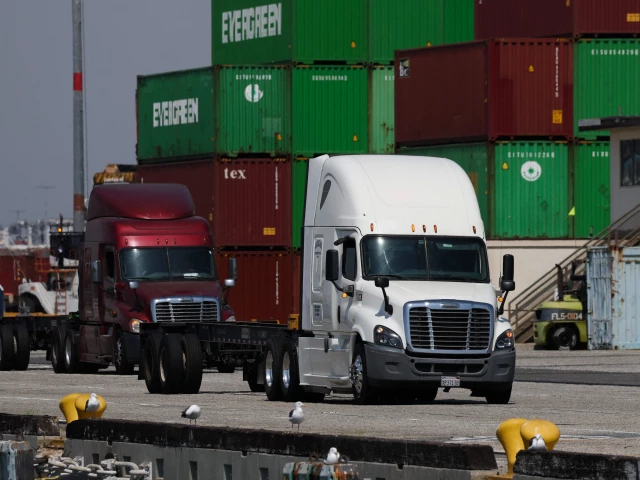
The war has disrupted regional trade networks, causing supply chain disruptions that ripple across markets worldwide. Yemen's strategic location as a major transit point for goods between Asia and Europe has been severely impacted. The closure of ports and air routes has led to shortages of essential imports such as food, medicine, and construction materials, further straining the country’s already precarious economic health.
In response to these challenges, international organizations have begun to deploy aid efforts aimed at mitigating some of the economic fallout from the conflict. However, the scale of the required interventions is immense, highlighting the urgent need for a comprehensive ceasefire and long-term peace plans that address the root causes of the ongoing violence.
The Middle East’s economy stands on shaky ground as it navigates through yet another crisis – one fueled by an unwarranted war that threatens to undo years of progress in economic development. The road ahead is fraught with challenges, but concerted efforts from all parties involved must prioritize peace and stability to restore a semblance of normalcy and bolster the region's fragile economies.