Oil prices remained stable as uncertainty lingered over the potential US-Iran peace deal, amid reduced Iranian exports and expectations of steady global demand.
Oil prices remained relatively unchanged in recent trading sessions as markets grappled with ongoing uncertainties surrounding a potential peace deal between the United States and Iran. The Strait of Hormuz, a critical passage for global oil supplies, continued to experience limited traffic due to regional tensions, adding to market jitters.
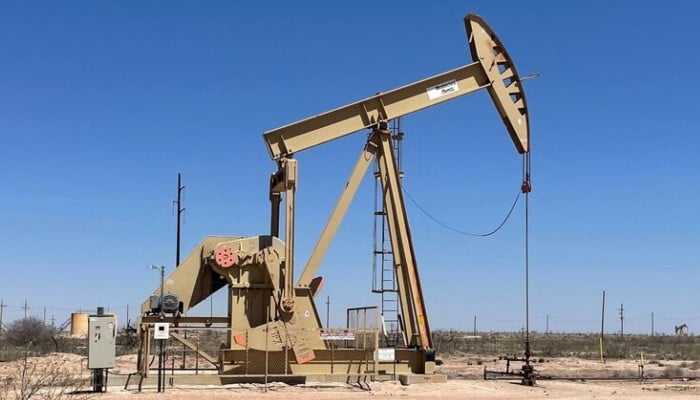
According to reports from Artesia, New Mexico, an oil pump jack stood as a symbol of the industry's resilience in the face of geopolitical challenges. Iranian oil exports have dropped to their lowest level in six years, further dampening supply expectations and influencing global markets.
Speaking at a recent conference in Singapore, OPEC Secretary General Mohammad Sanusi Barkindo highlighted that despite these uncertainties, oil demand is expected to remain robust. He emphasized the importance of maintaining stability in the region to ensure uninterrupted energy flows, which are crucial for economic growth worldwide.
As negotiations between the United States and Iran continue, market participants are closely watching developments to gauge their impact on global oil prices. The potential resolution of long-standing conflicts could lead to increased Iranian exports, potentially putting pressure on current price levels. However, for now, traders remain cautious, keeping a watchful eye on both political and economic indicators.
In conclusion, the stability in oil prices reflects the delicate balance between supply concerns and demand forecasts in today's volatile geopolitical landscape. As negotiations progress, market sentiment is likely to shift, impacting future price movements significantly.