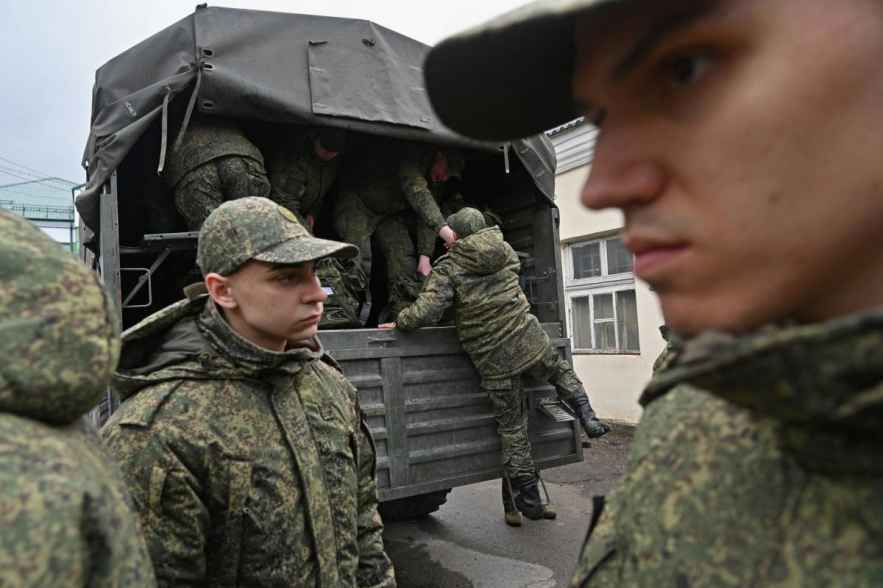
The ongoing conflict in Russia has sparked intense debate about the country's ability to bring an end to the war. At the heart of this issue is President Vladimir Putin, who has been instrumental in shaping Russia's foreign policy and military strategy. Despite the significant human and economic costs associated with the conflict, Putin has shown little inclination to negotiate a peaceful resolution.
One major obstacle to ending the conflict is the political cost that Putin would incur by doing so. The Russian leader has invested heavily in the war effort, and a withdrawal or negotiated settlement would be seen as a defeat for his administration. This would not only damage Putin's reputation but also undermine his authority within the Russian government. As a result, Putin is likely to continue pursuing a military solution, even if it means incurring further costs and casualties.
The economic factors also play a crucial role in Russia's inability to end the conflict. The war has had a devastating impact on the Russian economy, with sanctions and trade restrictions imposed by Western countries exacerbating the situation. However, Putin's government has also become increasingly dependent on the war effort to maintain its economic stability. The military-industrial complex has become a significant driver of economic growth, and a reduction in military spending would likely lead to widespread unemployment and social unrest.
Furthermore, the Russian leader's personal ideology and vision for his country's future also contribute to his reluctance to end the conflict. Putin has long been driven by a desire to restore Russia's status as a major world power and to protect the interests of ethnic Russians living in neighboring countries. The war has become a key component of this strategy, and Putin is unlikely to abandon it without achieving his objectives. This has led to a situation in which the conflict has become entrenched, with neither side able to achieve a decisive victory.
In conclusion, the inertia of Russia's war is a complex issue, driven by a combination of political, economic, and ideological factors. While the human and economic costs of the conflict continue to mount, Putin's government remains committed to pursuing a military solution, despite the lack of a clear exit strategy. As the war drags on, it is likely that the Russian leader will face increasing pressure to find a way out of the conflict, but for now, the prospects for a peaceful resolution appear remote.