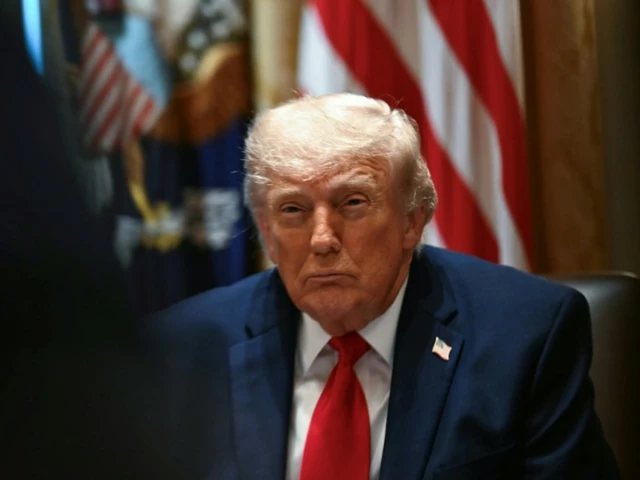
US President Donald Trump announced he would decide soon on a proposed deal to extend a ceasefire with Iran, amid ongoing disagreements over key issues like nuclear weapons and the Strait of Hormuz.
US President Donald Trump has indicated that he will soon make a final determination on a proposed deal to extend an early. However, significant differences remain, particularly regarding Iran's nuclear program and control over the Strait of Hormuz. During a two-hour meeting in the White House Situation Room, Trump did not reach a decision but stressed that Iran must agree to never have a nuclear weapon or bomb and ensure unrestricted shipping traffic through the strait.
Several hours after the meeting, the White House no agreement had been approved yet. A senior Iranian source told that an agreement was close but had not been finalized. Meanwhile, Trump's about reopening the Strait of Hormuz and releasing $12 billion in frozen assets have raised concerns among Iran hawks within his own party.
The ongoing conflict launched by the US and Israel on February 28 has resulted in thousands of casualties, primarily in Iran and Lebanon, and has caused global economic pain due to increased energy prices. Trump faces pressure from voters ahead of November congressional elections to address rising gasoline prices, while also balancing potential backlash from his own party over any concessions to Tehran.
Kazakhstan has offered to host Iran's uranium stockpile if a deal is reached, according to UN nuclear watchdog chief Rafael Grossi. However, Iran still demands sanctions relief, withdrawal of US forces from the region, and an end to Israel's offensive in Lebanon, where hundreds of thousands have been displaced and over 3,200 killed.
Meanwhile, international economic institutions warned that the ongoing war in the Middle East is straining global energy supplies and disproportionately affecting poorer countries through higher fuel and fertilizer prices. The heads of the International Energy Agency, International Monetary Fund, World Bank, and World Trade Organization met to discuss their response to the economic impact of the conflict, emphasizing the need for shipping flows to return to normal to avoid risks to fuel security and broader economic resilience.
The world remains on edge as negotiations continue, with Trump's decision expected to have significant implications for regional stability and global energy markets.