A new study using CRISPR technology identifies a link between faulty collagen and brain microbleeds, shedding light on cognitive decline in older adults.
Millions of older adults experience tiny brain hemorrhages known as cerebral microbleeds. These microbleeds are strongly associated with dementia, cognitive decline, and stroke. However, their precise molecular mechanisms have remained unclear due to the difficulty in isolating this condition from other confounding pathologies. A recent study published in the journal Brain has helped fill this critical gap by using CRISPR technology.
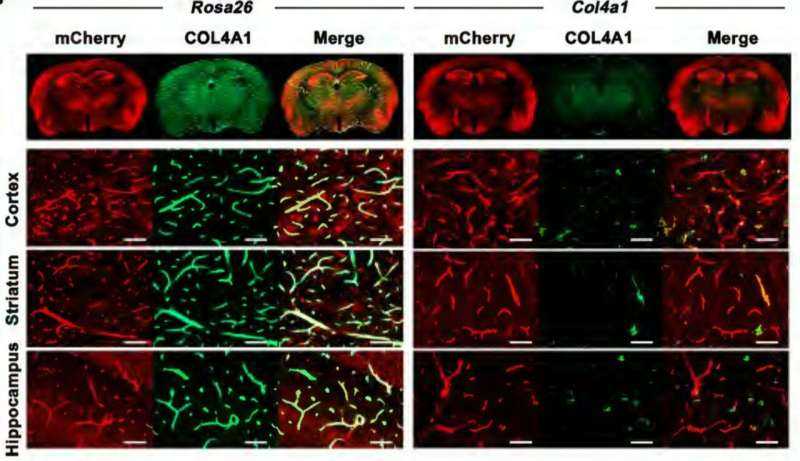
The research team developed a novel model that specifically targets faulty collagen production, which is believed to be a key factor in the development of these microbleeds. By utilizing CRISPR-Cas9 gene editing techniques, scientists were able to create mice with genetically engineered collagen defects similar to those observed in humans. These animals exhibited brain microbleeds and cognitive impairments that mirrored the symptoms seen in older adults.
The study provides valuable insights into the molecular pathways involved in the formation of these microbleeds. It suggests that faulty collagen could be a primary driver of cognitive decline, potentially opening up new avenues for therapeutic intervention. The findings have significant implications for understanding and treating age-related brain diseases such as dementia.
This breakthrough not only enhances our understanding of the underlying biology but also paves the way for more targeted treatments. By pinpointing the role of faulty collagen in microbleeds, researchers can now focus on developing strategies to correct or mitigate this issue, ultimately aiming to reduce the incidence and impact of cognitive decline in older populations.