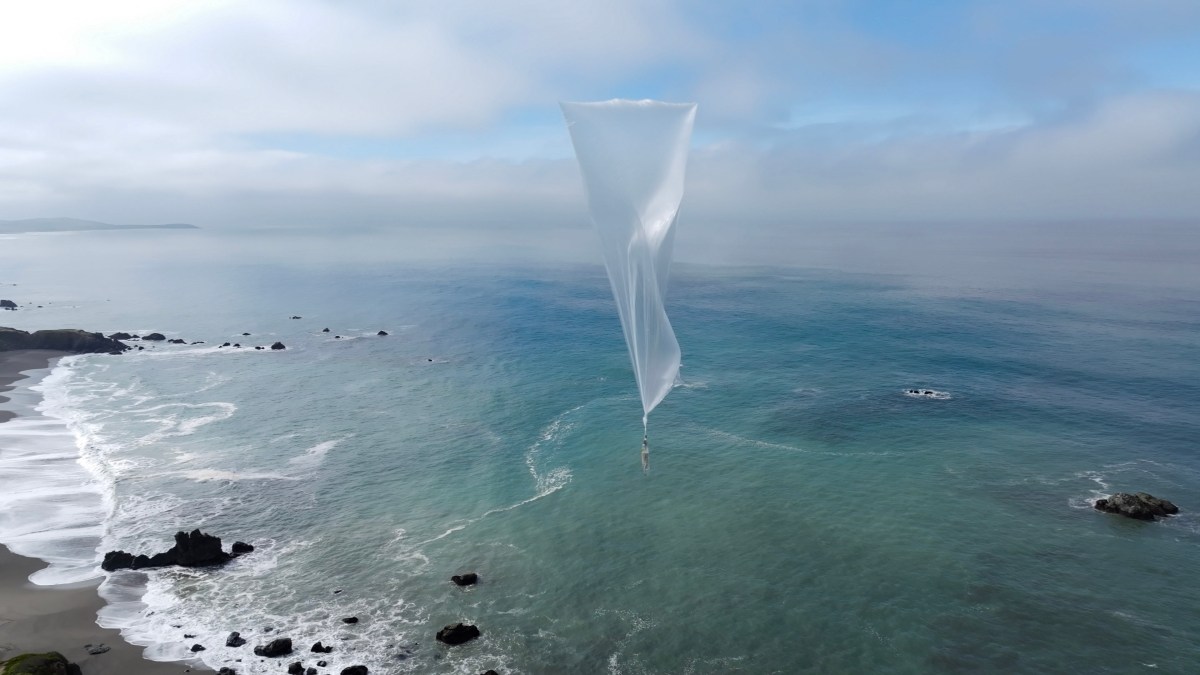
Windborne Systems’ advanced weather models are providing more accurate forecasts than government agencies, offering earlier warnings for severe weather events.
Windborne Systems, a cutting-edge artificial intelligence (AI) weather startup, has made significant strides in outperforming traditional government weather forecasting services. According to recent tests and evaluations, the company's newest weather prediction model is consistently beating the accuracy of government agencies by several days.
The superior performance of Windborne Systems' AI models can be attributed to their advanced algorithms that process vast amounts of meteorological data more efficiently than conventional methods. This enhanced capability allows for quicker detection and prediction of severe weather events such as hurricanes, tornadoes, and heavy storms, giving the public and emergency services a crucial head start in preparation.
Government agencies have long relied on established methodologies and resources to predict weather patterns, but these systems can sometimes lag behind due to limitations in data processing speed and volume. In contrast, Windborne Systems leverages machine learning techniques that continuously improve their models based on real-time data inputs. This dynamic approach ensures that the forecasts remain as accurate and up-to-date as possible.
The implications of this breakthrough are significant for both public safety and economic planning. Accurate weather predictions can help prevent loss of life by enabling timely evacuations and better resource allocation during emergencies. Additionally, businesses and industries can benefit from more reliable forecasts to plan operations and mitigate risks associated with adverse weather conditions.
While government agencies continue to play a vital role in providing essential services and information, the advancements made by startups like Windborne Systems highlight the potential for private sector innovation to enhance public safety and economic resilience. As AI technologies continue to evolve, it is likely that we will see more integration of such tools into traditional forecasting methods, ultimately leading to even greater improvements in weather prediction accuracy.
The success of Windborne Systems underscores the importance of embracing technological advancements in critical sectors like meteorology. By leveraging AI, this startup has not only improved forecast reliability but also set a new benchmark for what is possible in weather prediction.