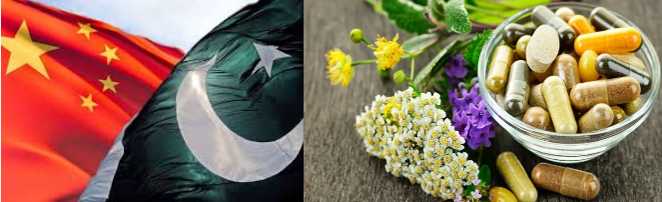
China and Pakistan have launched a joint laboratory for herbal medicine research, marking a significant milestone in their scientific collaboration.
China and Pakistan have taken a significant step forward in their scientific cooperation by launching the Zhejiang-Pakistan Joint Laboratory on R&D of Herbal Medicine. The official unveiling took place during the 2026 International Symposium on Traditional Chinese Medicine–Unani Medicine Cooperation and SCO Member States Traditional Medicine Industry Exchange Forum, held in Ningbo, Zhejiang.
This joint laboratory aims to enhance traditional medicine cooperation between the two countries. By pooling their resources and expertise, China and Pakistan hope to develop new herbal medicines that can benefit both nations and potentially contribute to global healthcare solutions. The partnership is part of a broader effort to strengthen scientific ties within the SCO (Shanghai Cooperation Organization) member states.
The launch of this laboratory signifies a commitment from both countries to advance traditional medicine research and innovation. It also highlights the growing importance of traditional practices in modern medical systems, as evidenced by their integration into international forums and collaborative efforts.
This initiative is expected to yield significant benefits for both nations' healthcare sectors, fostering economic growth through the development of new herbal products and promoting cultural exchange in the field of traditional medicine. As China continues to invest heavily in research and development, this partnership with Pakistan represents a strategic move to expand its influence in the global health landscape.
The establishment of the joint laboratory is seen as a crucial step towards achieving mutual goals in healthcare innovation and traditional medicine preservation. With ongoing support from both governments, it is anticipated that this collaboration will lead to groundbreaking discoveries and contribute to improved public health outcomes for millions.