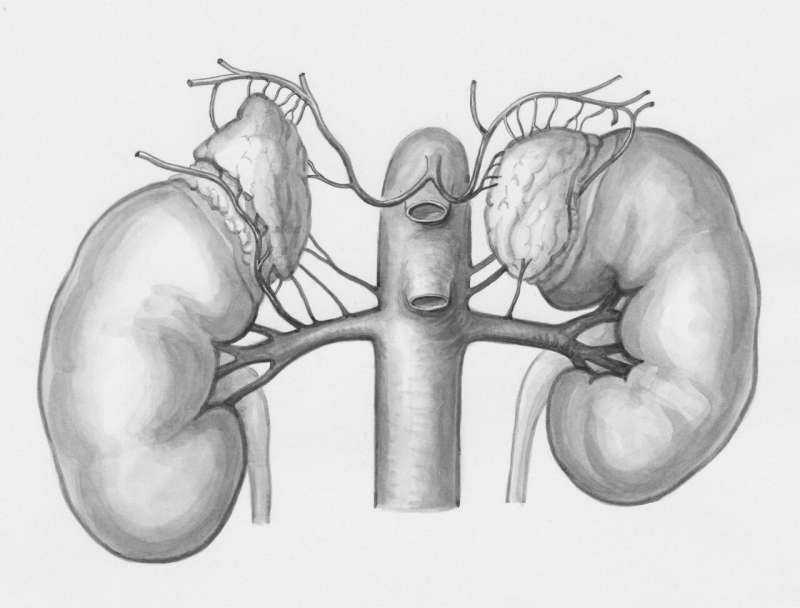
New research presented at the 63rd ERA Congress suggests that a widely used class of blood pressure medications may be associated with poorer kidney outcomes in people with type 2 diabetes, even among patients already receiving modern kidney-protective treatments.
The study's findings have significant implications for the management of type 2 diabetes, as kidney disease is a common complication of the condition. The research team analyzed data from patients with type 2 diabetes who were being treated with various blood pressure medications, including those in the widely used class associated with poorer kidney outcomes.
The results showed that patients taking this class of medication were more likely to experience declines in kidney function, even when they were also receiving modern kidney-protective treatments. This suggests that the medication may be counteracting the beneficial effects of these treatments, leading to poorer kidney outcomes.
The researchers behind the study are calling for further investigation into the potential link between this class of blood pressure medication and kidney outcomes in type 2 diabetes patients. They hope that their findings will lead to changes in the way that blood pressure is managed in people with type 2 diabetes, and ultimately improve kidney health outcomes for these patients.
As the prevalence of type 2 diabetes continues to rise, it is essential that healthcare providers are aware of the potential risks and benefits associated with different blood pressure medications. By understanding the potential link between this class of medication and poorer kidney outcomes, healthcare providers can make informed decisions about the best course of treatment for their patients, and work to prevent or slow the progression of kidney disease.