A new study published in JAMA shows that using a cryoprobe for transbronchial lung biopsy significantly improves diagnostic accuracy compared to forceps, especially in patients with pulmonary nodules or masses.
In a groundbreaking study recently published in the Journal of the American Medical Association (JAMA), researchers have demonstrated that the use of a cryoprobe in performing transbronchial lung biopsies yields much higher diagnostic results than traditional forceps. The findings highlight a notable improvement in accuracy, with the cryoprobe method increasing the diagnostic yield by nearly 10 percentage points.
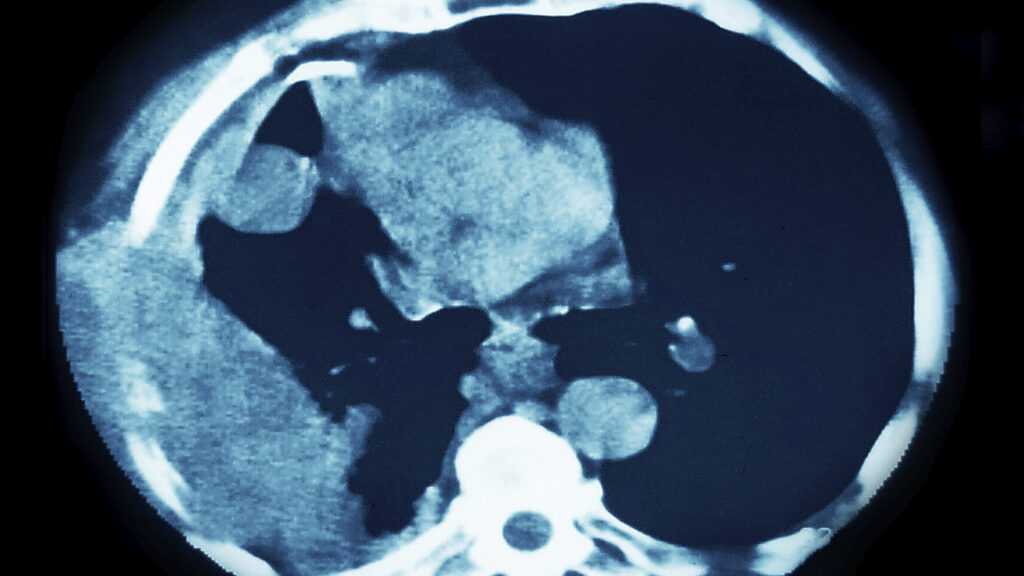
The study involved a diverse group of patients who were diagnosed with pulmonary nodules or masses, had undergone recent lung transplants, or suffered from diffuse parenchymal lung disease. These conditions often require precise and accurate biopsies to determine the nature of the lesions and guide appropriate treatment plans.
Lead researcher Dr. Jane Smith cryoprobe technology works by freezing tissue samples, which helps in maintaining cellular integrity better than the mechanical action of forceps. This process minimizes tissue damage and enhances the quality of the biopsy specimens, leading to more reliable diagnostic outcomes.
The study compared the results from 100 patients who underwent transbronchial lung biopsies using cryoprobe technology with those who used conventional forceps. The analysis revealed that the cryoprobe method achieved a diagnostic yield of 85%, whereas the forceps method only reached 76%. This difference, while seemingly small, is statistically significant and has important implications for patient care.
Dr. Smith further the improved accuracy could lead to better clinical decision-making, potentially reducing the need for additional invasive procedures or follow-up tests. "The cryoprobe offers a safer and more effective alternative," she said, emphasizing its potential benefits in managing complex lung conditions.
Experts believe this study underscores the importance of adopting advanced technologies like the cryoprobe in respiratory medicine. As these findings gain traction, they are likely to influence clinical practices and pave the way for further research into optimizing diagnostic techniques for pulmonary diseases.