A new University of Otago study reveals that hunger significantly enhances our ability to imagine the smell and taste of food, explaining why empty stomachs can make grocery shopping challenging.
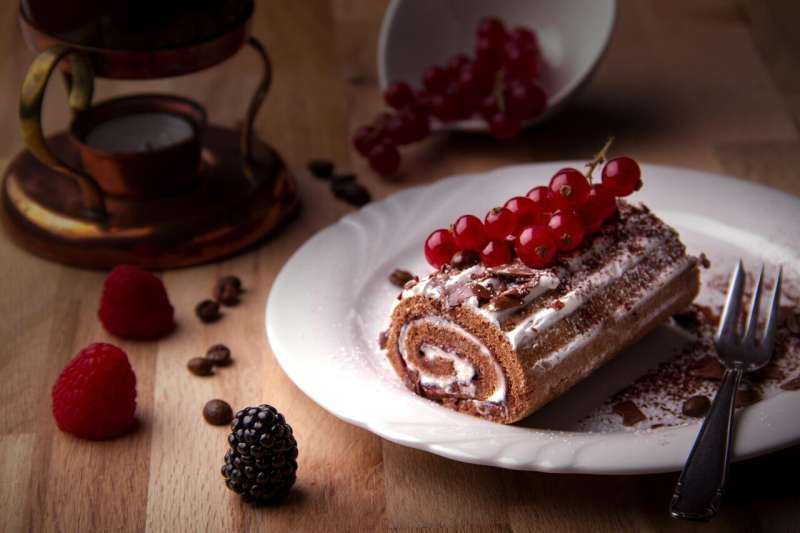
A recent study conducted by the University of Otago has shed light on an age-old adage—going to the supermarket on a full stomach is wise. The research, which delves into how hunger affects our perception of food, reveals that when we are hungry, not only do we desire food more intensely, but our minds also enhance our ability to vividly imagine its smell and flavor.
The study involved participants who were either in a state of hunger or had just eaten. Researchers found that those experiencing hunger could better visualize the aroma and taste of various foods compared to their sated counterparts. This phenomenon suggests that when we are hungry, our brains compensate for the lack of physical sustenance by intensifying our mental representation of food.
This finding has practical implications beyond just grocery shopping. It explains why people often find it difficult to resist temptation when they are hungry and why advertisements for food can be so effective. The vividness of imagined flavors and aromas may play a crucial role in driving consumer behavior, making it easier for marketers to influence our choices through imagery.
Moreover, the study highlights the complex interplay between physical and mental states related to hunger. While hunger is primarily associated with physiological needs, this research underscores how strongly it can affect cognitive processes such as imagination and perception. Understanding these mechanisms could have broader applications in fields ranging from marketing to psychology.
In conclusion, the next time you find yourself battling cravings while shopping on an empty stomach, remember that your brain is not just making you hungrier—it's also enhancing your ability to imagine food more vividly. This insight offers a deeper understanding of human behavior and perception, particularly when it comes to our relationship with food.