A new study from Johns Hopkins University reveals that habits can develop much quicker than previously believed, challenging our understanding of behavior formation.
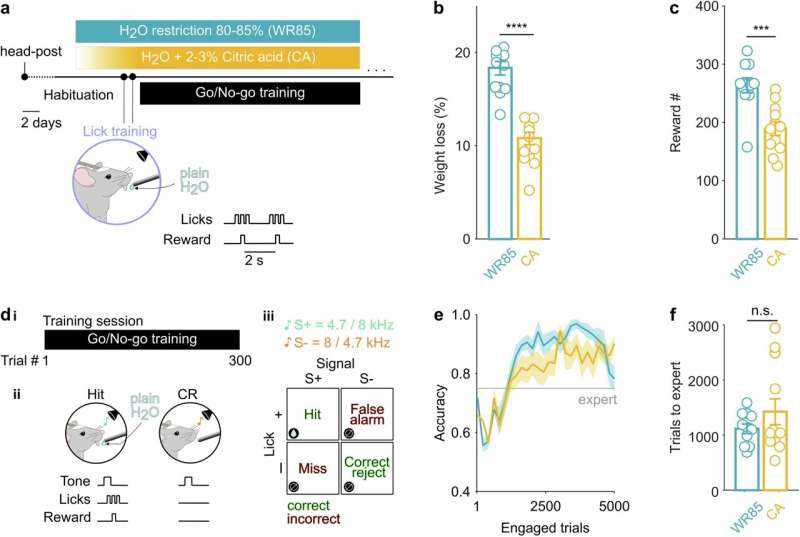
From mindfully checking your phone to habitually grabbing a snack at the end of the day, many everyday behaviors transition from conscious choices into almost automatic actions. However, recent research challenges this gradual process by suggesting that such shifts may occur more rapidly than once thought. A study published in Nature Communications from Johns Hopkins University has uncovered evidence indicating that habits can form much faster.
The researchers conducted experiments involving participants who were asked to perform specific tasks repeatedly. Surprisingly, the results showed that these actions began to feel automatic after fewer repetitions than expected. This finding suggests that our brains may adapt and integrate new behaviors more quickly than previously understood.
This accelerated habit formation has significant implications for various fields, including psychology, neuroscience, and behavioral economics. For instance, marketers might need to rethink how they approach consumer behavior, while individuals looking to break bad habits or develop good ones could benefit from this new understanding of the speed at which habits can be formed.
The study's lead author emphasized that these findings challenge traditional views on habit formation and highlight the dynamic nature of our behaviors. As we continue to explore the complexities of human psychology, such research contributes valuable insights into how our minds work and adapt over time.