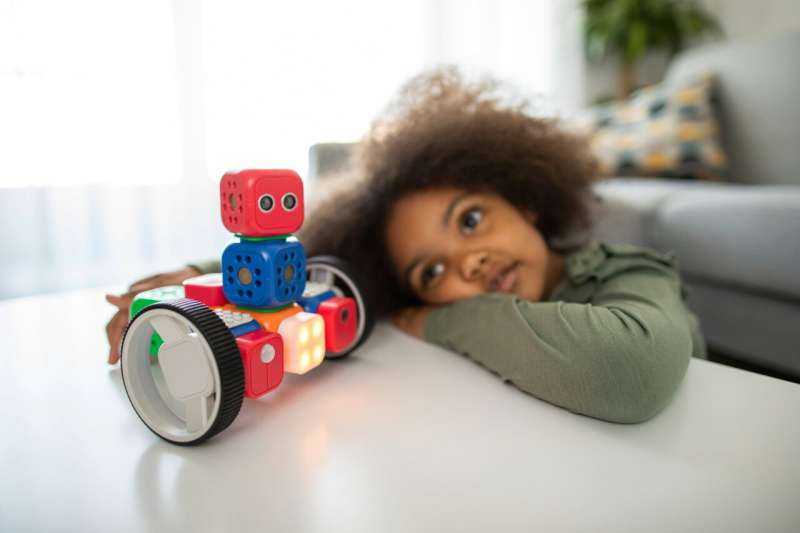
The use of artificial intelligence in toys has become increasingly prevalent in recent years, with many consumer toys now integrated with large language models. However, despite their growing popularity, there is a severe lack of research regarding the impact of these toys on early neurodevelopment. A recent article published in the Journal of Medical Internet Research explores the potential implications of AI-enabled toys for children's well-being and development.
The article, authored by a correspondent, delves into the rapid proliferation of AI-enabled toys and the concerns raised by experts and policymakers. One of the primary concerns is the potential impact of these toys on children's neurodevelopment, particularly in the early years. As children interact with AI-enabled toys, they are exposed to a unique set of stimuli that can shape their cognitive, social, and emotional development. However, without sufficient research, it is difficult to determine whether these toys are having a positive or negative impact on children's development.
Another concern raised by experts is the issue of privacy and transparency. Many AI-enabled toys collect vast amounts of data on children's behavior, preferences, and interactions, which can be used to create detailed profiles of individual children. This raises significant concerns about the potential for data breaches, exploitation, and manipulation. Furthermore, the lack of transparency regarding data collection and usage practices makes it difficult for parents and caregivers to make informed decisions about the toys their children use.
The article highlights the need for policymakers and researchers to work together to address the unknowns surrounding AI-enabled toys. This includes conducting rigorous research on the impact of these toys on children's development, as well as developing and implementing robust regulations to protect children's privacy and ensure transparency in the industry. By working together, it is possible to ensure that AI-enabled toys are designed and used in ways that promote healthy development and well-being for children.
Ultimately, the use of AI-enabled toys is likely to continue growing in the coming years, and it is essential that we prioritize the needs and well-being of children in this context. By investigating the potential implications of AI-enabled toys and addressing the concerns surrounding privacy and transparency, we can work towards creating a safer and more supportive environment for children to grow and develop. This will require ongoing collaboration and dialogue between researchers, policymakers, and industry stakeholders, but the potential benefits for children's health and well-being make it an effort worth pursuing.