A dermatologist warns that excessive use of adult skincare products can lead to dryness, irritation, and allergic reactions in teenagers.
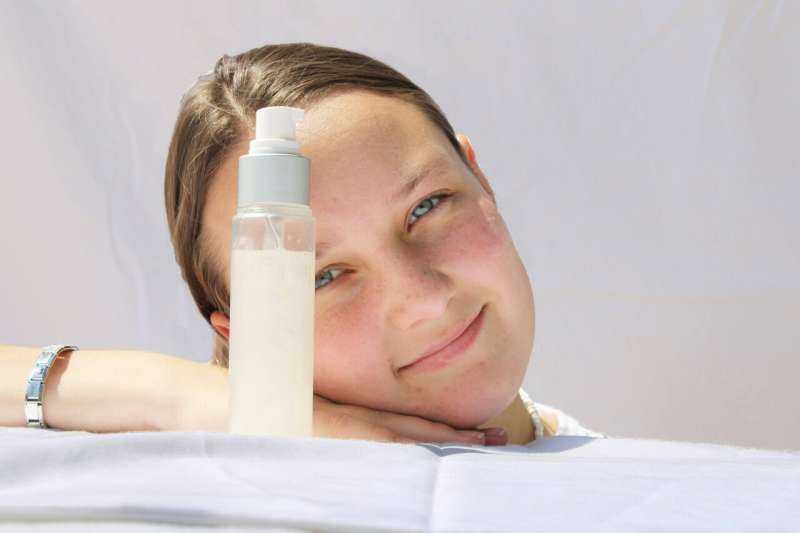
More and more adolescents are adopting skincare routines meant for adults, often including potent active ingredients. However, overusing such products during this crucial developmental stage can have adverse effects on the skin. Dr. Anikó Kovács, a dermatologist at the Department of Dermatology, Venereology and Dermatooncology at Semmelweis University, cautions that poorly chosen skincare routines in adolescence can result in dryness, irritation, and even painful or itchy allergic reactions.
During teenage years, the skin undergoes significant changes as hormonal fluctuations become more pronounced. The barrier function of the skin is still developing, making it more susceptible to damage from harsh products. Dr. Kovács advises that teenagers should stick to gentle, hypoallergenic skincare formulations designed for their age group. These products are less likely to disrupt the natural balance of the skin and can help prevent issues such as dryness and irritation.
Moreover, overusing certain ingredients like retinoids or hydroxy acids can exacerbate these problems. Retinoids, commonly found in adult acne treatments, can cause significant irritation when used excessively by younger individuals. Similarly, products containing high concentrations of alpha-hydroxy acids (AHAs) or beta-hydroxy acids (BHAs), which are effective for exfoliating and treating acne, may lead to redness, peeling, and increased sensitivity in adolescents.
Dr. Kovács recommends that teenagers consult with a dermatologist before starting any new skincare regimen. A professional can provide personalized advice based on individual skin type and needs, ensuring that the chosen products are both effective and safe for use during this critical period of development. By following these guidelines, young people can maintain healthy skin while avoiding potential long-term damage from overzealous skincare practices.