Northwestern Medicine scientists have found that suppressing excitatory synaptic transmission in specific brain neurons can reverse levodopa-induced dyskinesia without reducing the benefits of levodopa treatment, offering hope for late-stage Parkinson's patients.
Northwestern Medicine researchers have made a significant breakthrough in treating late-stage Parkinson’s disease.
Levodopa is currently one of the most effective treatments for managing Parkinson’s symptoms. However, long-term use often leads to unwanted side effects such as dyskinesias, which are involuntary movements that can severely impact a patient's quality of life. The new findings suggest a potential gene therapy approach could address these debilitating side-effects while maintaining the effectiveness of levodopa.
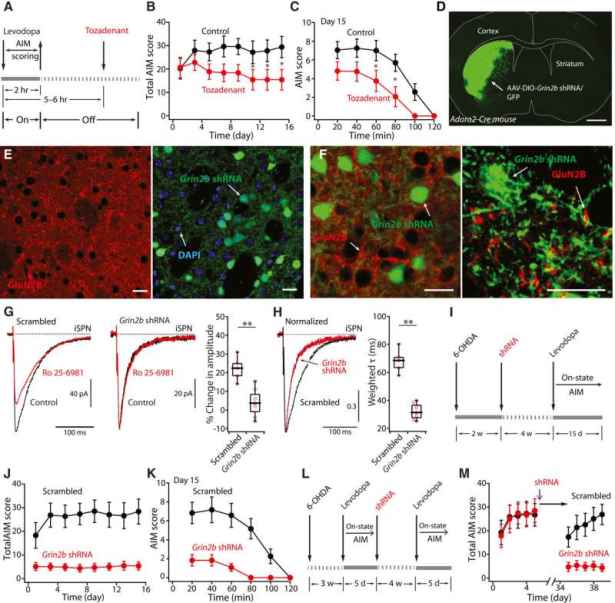
The study involved an in-depth analysis of brain function and identified specific neurons responsible for the adverse effects of levodopa. By targeting these neurons, researchers were able to suppress excitatory synaptic transmission, thereby reversing dyskinesia. This targeted intervention preserves the beneficial effects of levodopa on Parkinson’s symptoms, offering a promising avenue for future therapeutic development.
These findings could revolutionize treatment strategies for late-stage Parkinson's patients who have developed severe side-effects from long-term levodopa use. The next steps will involve further research to refine the gene therapy approach and ensure its safety and efficacy in clinical trials.