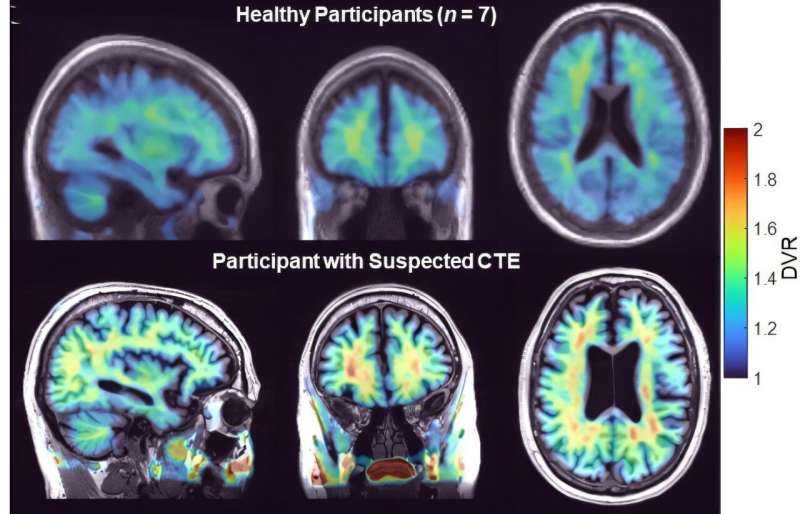
A new PET imaging approach can detect a biomarker for chronic traumatic encephalopathy, a neurodegenerative disease linked to repeated head impact, in living humans, paving the way for early diagnosis and treatment.
The discovery of a potential biomarker for chronic traumatic encephalopathy (CTE) using a novel PET imaging approach has brought new hope for the diagnosis and treatment of this devastating neurodegenerative disease. CTE is associated with repeated head impact, often affecting athletes and individuals who have experienced traumatic brain injuries. Until now, a definitive diagnosis of CTE could only be made after death, through an examination of the brain tissue.
The new PET imaging approach has the potential to change this, allowing for the detection of a biomarker for CTE in living humans. This breakthrough could play a critical role in supporting clinical trials to develop effective treatments for CTE. By enabling the diagnosis of CTE in living patients, this imaging biomarker could help researchers to better understand the progression of the disease and to identify potential therapeutic targets.
The ability to diagnose CTE in living humans could also have significant implications for patient care and management. Currently, many individuals who have experienced repeated head impact are left wondering whether they will develop CTE, and if so, when symptoms will appear. With the potential for early diagnosis, patients could receive timely interventions and support, potentially slowing or halting the progression of the disease.
The development of this PET imaging approach is a significant step forward in the fight against CTE. As researchers continue to refine and validate this technology, it is likely that we will see significant advances in our understanding and treatment of this devastating disease. With the potential for early diagnosis and treatment, there is new hope for individuals affected by CTE, and for the families and communities that support them.