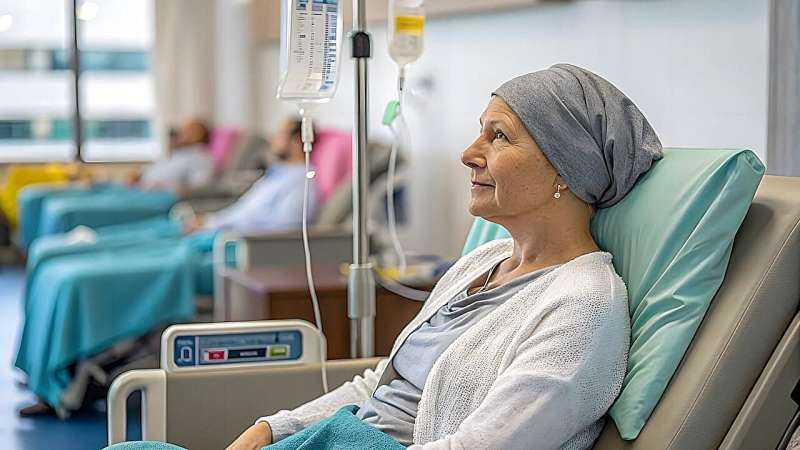
A simple change in meal timing may help improve outcomes for women with the most common and aggressive form of ovarian cancer, a new study suggests. This innovative approach involves short-term fasting, which has been found to potentially boost the effectiveness of chemotherapy in treating ovarian cancer.
The study's findings are significant, as ovarian cancer is a highly aggressive and often deadly disease, with limited treatment options available. By exploring alternative methods to enhance chemotherapy response, researchers aim to improve the prognosis for women diagnosed with this devastating illness. Short-term fasting has been shown to have various health benefits, and its potential application in cancer treatment is an exciting area of research.
The concept of short-term fasting is relatively straightforward, involving periods of caloric restriction or fasting to stimulate cellular changes that may make cancer cells more susceptible to chemotherapy. This approach has been studied in various types of cancer, with promising results. In the context of ovarian cancer, the study's findings suggest that short-term fasting may be a valuable adjunct to traditional chemotherapy, potentially leading to improved treatment outcomes.
As researchers continue to investigate the effects of short-term fasting on ovarian cancer treatment, the potential benefits of this approach are becoming increasingly evident. By combining short-term fasting with chemotherapy, doctors may be able to enhance the effectiveness of treatment, ultimately improving the chances of survival for women with this aggressive form of cancer. Further studies are needed to fully understand the mechanisms underlying this approach and to determine its long-term efficacy, but the initial findings are undeniably promising, offering new hope for patients and their families.