New research reveals your heart has a built-in bypass system that predicts whether heart muscle is alive or dead, potentially sparing patients from risky procedures.
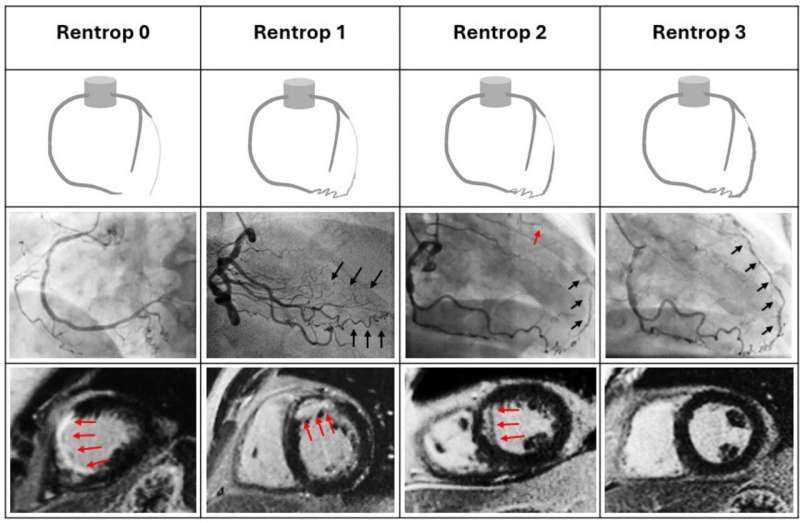
Scientists at the University of East Anglia and Norfolk and Norwich University Hospital have uncovered an intriguing natural mechanism within the human heart. This discovery could revolutionize cardiac care by identifying a built-in bypass system that predicts the health status of heart muscle tissue, potentially avoiding unnecessary and risky medical interventions for patients.
The research highlights how this natural bypass system works to assess the viability of heart muscles. By understanding these mechanisms, doctors might be able to better determine which treatments are necessary and which can be avoided, thereby reducing patient exposure to invasive procedures such as angioplasties or surgeries.
This breakthrough could have significant implications for millions of people worldwide who suffer from cardiovascular diseases. Traditionally, diagnosing the health of heart muscle has involved complex and often risky tests like coronary angiography or stress testing. These methods are not only costly but also carry potential risks associated with invasive procedures.
The new findings suggest that by harnessing this natural bypass system, doctors could develop less invasive diagnostic tools to assess cardiac function more accurately. This would not only improve patient outcomes but also reduce healthcare costs and minimize the physical burden on patients undergoing unnecessary treatments.
In conclusion, this research opens up a promising avenue for personalized medicine in cardiology, offering hope that future treatments will be tailored more precisely to individual needs while minimizing risks associated with current diagnostic procedures.