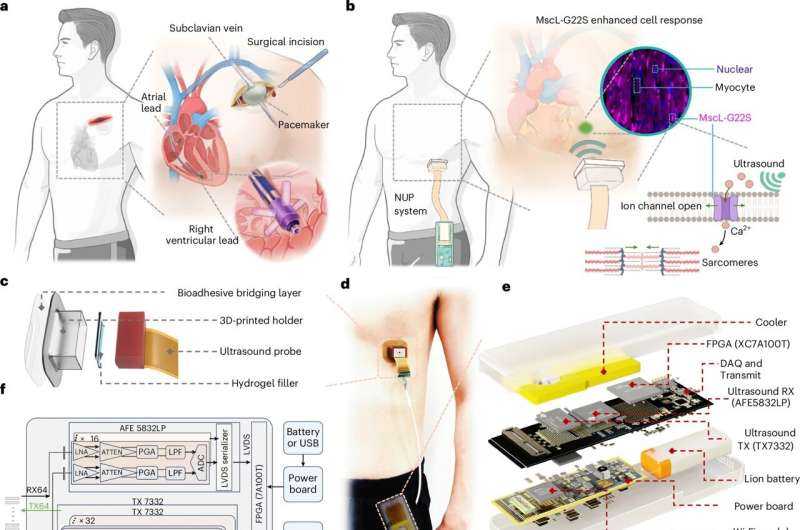
The development of a noninvasive pacemaker by MIT engineers marks a significant advancement in cardiac care. This innovative device utilizes ultrasound to stimulate the heart, potentially providing a surgery-free alternative to traditional cardiac implants. The use of ultrasound technology in this context is particularly noteworthy, as it offers a noninvasive means of regulating heart rhythm.
The traditional approach to treating irregular heartbeats often involves the implantation of a pacemaker, a procedure that requires surgery and can carry certain risks. In contrast, the new ultrasound-based pacemaker could provide a safer and more convenient option for patients. By leveraging the power of ultrasound, MIT engineers have created a device that can stimulate the heart without the need for invasive procedures.
The implications of this technology are far-reaching, with the potential to improve the lives of millions of people worldwide who suffer from heart rhythm disorders. The noninvasive nature of the device could also reduce the risk of complications associated with traditional pacemaker implantation, such as infection and scarring. Furthermore, the use of ultrasound technology could enable the development of more sophisticated cardiac treatments, tailored to the specific needs of individual patients.
As researchers continue to refine and improve the design of the ultrasound-based pacemaker, it is likely that this technology will play an increasingly important role in the field of cardiac care. The potential for noninvasive treatments to revolutionize the way we approach heart health is vast, and the work of MIT engineers in this area is a significant step forward. With further development and testing, this innovative device could one day become a standard treatment option for patients with heart rhythm disorders, offering a safer and more effective alternative to traditional implants.