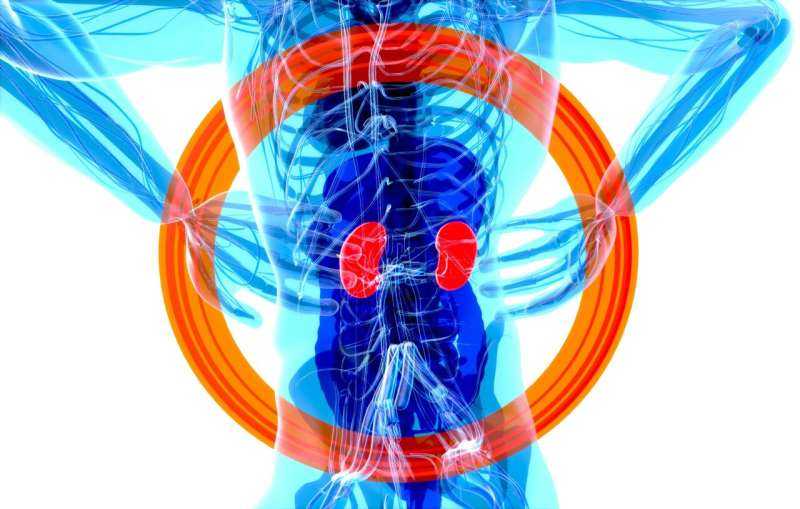
Chronic kidney disease, now recognized as the ninth leading cause of death globally, poses a significant threat to millions of patients worldwide due to its substantial underdiagnosis. A global team of experts has sounded the alarm on this critical health care issue, emphasizing the need for improved diagnostic measures to tackle the condition. According to their findings, up to half of all life-threatening kidney disease cases remain undiagnosed, leaving patients vulnerable to the progression of the disease.
The experts' concerns are outlined in a landmark series of research papers published in a prestigious medical journal. These papers shed light on the severity of the issue and the urgent need for a renewed focus on chronic kidney disease diagnosis and treatment. By highlighting the benefits of a simple urine test, the researchers aim to encourage healthcare providers to adopt this diagnostic tool more widely, potentially saving countless lives.
The use of a simple urine test could significantly improve the diagnosis rate of chronic kidney disease, enabling healthcare providers to identify patients at an early stage and provide timely interventions. This, in turn, could help to slow the progression of the disease, reducing the risk of complications and improving patient outcomes. The experts' call to action emphasizes the importance of increasing awareness about chronic kidney disease and promoting the adoption of effective diagnostic and treatment strategies.
As the ninth leading cause of death globally, chronic kidney disease is a major public health concern that demands attention and action from healthcare providers, policymakers, and patients alike. The experts' research papers serve as a stark reminder of the need for a concerted effort to address the underdiagnosis of this condition, ensuring that millions of patients worldwide receive the timely and effective care they need to manage their condition and improve their quality of life. By working together to raise awareness and improve diagnosis and treatment, it is possible to reduce the burden of chronic kidney disease and save countless lives.