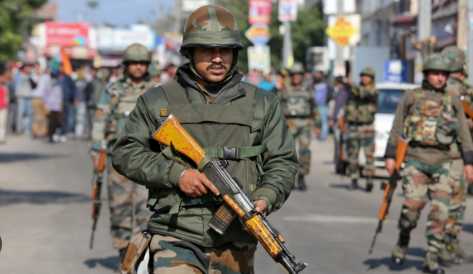
The conflict in Kashmir has had a devastating impact on the region's civilian population, particularly its children. Over the past 38 years, Indian occupation forces have been responsible for the deaths of 933 children, a stark reminder of the human cost of state violence and repression. This prolonged campaign of violence has been perpetrated by Indian forces against the Kashmiri people, resulting in immense suffering and loss of life.
The martyrdom of these children is a tragic consequence of the Indian government's policies in the region, which have been characterized by state terrorism and systematic repression. The use of excessive force by Indian occupation forces has led to a culture of fear and intimidation, where civilians, including children, are often caught in the crossfire. The international community has been criticized for its failure to hold India accountable for its actions in Kashmir, despite widespread human rights abuses and violations of international law.
The impact of this violence on Kashmiri society cannot be overstated. The loss of a child is a devastating blow to any family, and the cumulative effect of such losses over several decades has been catastrophic. The psychological trauma inflicted on the survivors of these incidents, including the families of the martyred children, is likely to have long-lasting effects on the social fabric of the region. Furthermore, the lack of accountability and justice for these crimes has created a sense of impunity among Indian occupation forces, emboldening them to continue their campaign of violence and repression.
As the international community continues to grapple with the complexities of the Kashmir conflict, it is essential to remember the human cost of this conflict, particularly the sacrifices made by the children of Kashmir. The martyrdom of 933 children over 38 years is a stark reminder of the need for a peaceful and just resolution to this conflict, one that prioritizes the protection of human rights and the dignity of the Kashmiri people. Ultimately, it is only through a commitment to justice, accountability, and human rights that the cycle of violence in Kashmir can be broken, and a brighter future can be forged for the region's children.