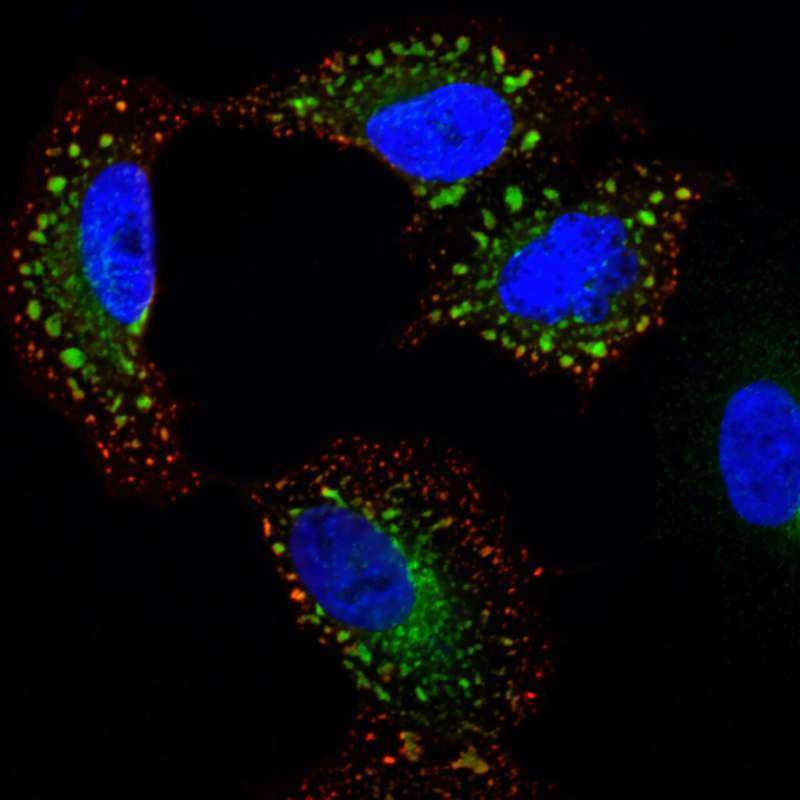
Scientists accidentally discovered that different flu viruses use unique strategies to enter cells, opening doors for targeted treatments that could halt viral replication.
Scientists investigating how influenza viruses replicate within cells made an "accidental" discovery that could revolutionize the treatment of the flu. The research revealed that various flu strains employ distinct methods to infiltrate host cells initially. This finding is significant as it suggests potential targets for developing novel therapies aimed at preventing virus entry and thus stopping their replication.
The study, conducted by a team of virologists, focused on understanding the mechanisms through which influenza viruses attach to and enter human cells. What started as an exploratory investigation into viral entry processes unexpectedly unveiled the diversity in how different flu strains achieve this crucial step. Each strain appears to utilize specific molecules for cell entry, providing researchers with new insights that could be leveraged for therapeutic development.
This breakthrough discovery opens avenues for designing drugs or other interventions that specifically target these unique entry mechanisms of influenza viruses. By blocking these pathways, scientists hope to develop treatments that can effectively prevent viral replication without affecting the host cells. This targeted approach could potentially lead to more effective and less harmful antiviral therapies compared to current broad-spectrum medications.
The implications of this research extend beyond just flu treatment. Understanding the specific entry strategies of influenza viruses could also inform broader efforts in combating other respiratory pathogens, enhancing our overall preparedness against viral threats. As scientists continue to explore these findings, they are optimistic about the potential for more precise and effective treatments that could significantly impact public health.
In conclusion, this "accidental" discovery not only deepens our understanding of influenza viruses but also paves the way for innovative treatment strategies that could transform how we manage flu outbreaks in the future.