Epilepsy diagnosis can be a challenging and complex process, as seizures often do not occur during routine brain-wave recordings, also known as electroencephalograms (EEGs). This lack of direct observation can make it difficult for doctors to make a clear diagnosis, leaving patients without the proper treatment they need. However, a team of researchers from the University of Delaware, in collaboration with other experts, is working to bridge this gap by utilizing artificial intelligence to detect early warning signs hidden in the brain's electrical rhythms.
The use of artificial intelligence in epilepsy diagnosis has shown promising results, as it can analyze large amounts of data from brain-wave recordings to identify patterns that may indicate an impending seizure. By decoding these signals, doctors may be able to provide more accurate diagnoses and develop more effective treatment plans for patients with epilepsy. This innovative approach has the potential to revolutionize the field of epilepsy diagnosis and treatment, offering new hope to patients and their families.
One of the primary challenges in epilepsy diagnosis is the unpredictable nature of seizures, which can occur at any time and without warning. However, by using artificial intelligence to analyze brain-wave recordings, researchers may be able to identify subtle changes in the brain's electrical activity that precede a seizure. These changes can serve as early warning signs, allowing doctors to take proactive measures to prevent or mitigate the severity of the seizure.
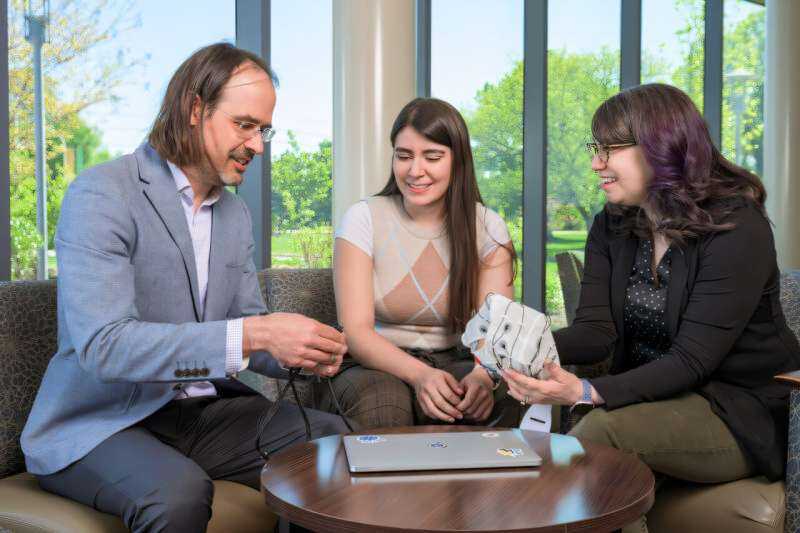
The University of Delaware research team is at the forefront of this innovative approach, working tirelessly to develop and refine their AI-powered diagnostic tool. By combining cutting-edge technology with expertise in neuroscience and medicine, the team aims to create a more accurate and reliable method for diagnosing epilepsy. As this technology continues to evolve, it is likely to have a significant impact on the lives of patients with epilepsy, providing them with better treatment options and improved quality of life.
The potential applications of this technology extend far beyond epilepsy diagnosis, as it may also be used to develop more effective treatments for other neurological disorders. By decoding the complex signals hidden in brain waves, researchers may uncover new insights into the underlying mechanisms of these conditions, leading to the development of more targeted and effective therapies. As the field of artificial intelligence in medicine continues to grow and evolve, it is likely to play an increasingly important role in shaping the future of healthcare and improving patient outcomes.