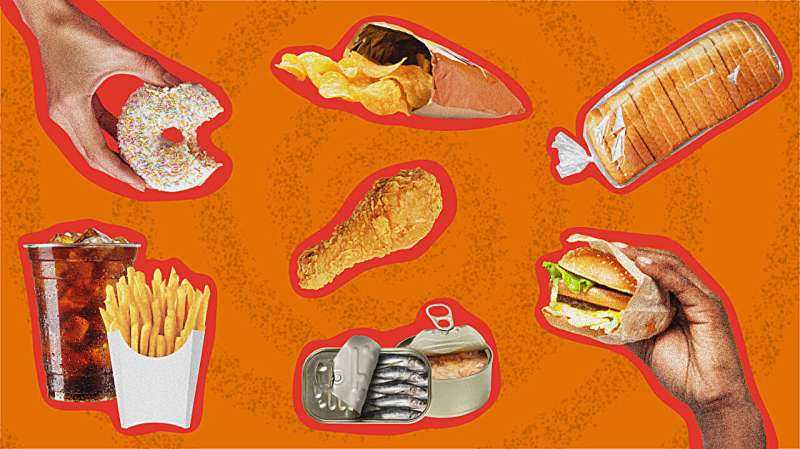
A new study reveals widespread American concern about ultraprocessed foods, drawing parallels to public health campaigns against tobacco.
A recent study led by researchers at Cornell University has found that a significant majority of Americans, regardless of political affiliation, view ultraprocessed foods as both addictive and harmful. This consensus mirrors the attitudes that led to the regulation of the tobacco industry, highlighting a growing public health concern in the United States.
The research, which surveyed a diverse cross-section of the American population, uncovered striking similarities between how people perceive ultraprocessed foods and how they once viewed cigarettes. Participants expressed similar levels of worry about the potential for addiction and negative health impacts associated with these processed foods. This widespread agreement suggests that public health advocates may find fertile ground in addressing this issue through regulatory measures.
The findings are particularly noteworthy given the prevalence of ultraprocessed foods in modern diets, which often contain high levels of sugar, salt, and unhealthy fats. These ingredients can contribute to various health issues such as obesity, diabetes, and heart disease. By drawing parallels with the tobacco industry's regulation, the study underscores the need for similar public health interventions targeting these processed products.
This research not only highlights a significant shift in public perception but also opens up new avenues for policymakers to consider when addressing diet-related health concerns. As more Americans recognize the potential dangers of ultraprocessed foods, there may be increased pressure on regulatory bodies to implement stricter guidelines and labeling requirements to protect public health.