A study reveals that methyleugenol, found in basil and fennel, can induce harmful alterations in DNA when ingested through food, potentially leading to cancer.
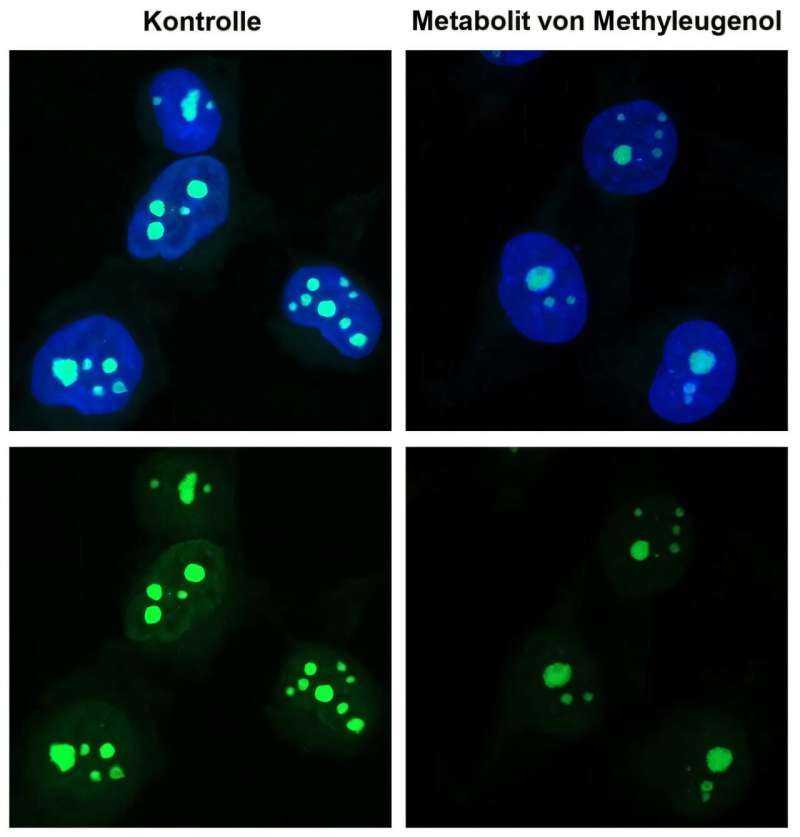
Methyleugenol is a key component of essential oils commonly derived from herbs like basil, tarragon, nutmeg, and fennel. When consumed via food, this compound undergoes conversion in the liver into a reactive form that can cause chemical changes in DNA. According to Professor Dr. Jörg Fahrer from the Division of Food Chemistry and Toxicology at RPTU University Kaiserslautern-Landau, these methyleugenol-derived DNA adducts have already been identified in human liver tissue.
Despite being aware of its potential carcinogenic effects, researchers have long been uncertain about how such DNA damage is repaired within the human body. This new finding highlights a critical area for further investigation into the safety and health implications of consuming foods containing methyleugenol. The discovery underscores the need to understand not only the risks but also the mechanisms by which these compounds affect cellular processes.
In conclusion, while the presence of methyleugenol in common culinary herbs is well-known, its impact on DNA integrity remains a subject of ongoing research. Understanding how this compound behaves within the human body could have significant implications for public health and dietary guidelines.