Gestational diabetes, a condition that develops during pregnancy, has been found to have strong genetic links with type 2 diabetes. This discovery suggests that gestational diabetes may be an early manifestation of type 2 diabetes, triggered by the physical stresses of pregnancy. The findings of this study have significant implications for the understanding and management of gestational diabetes.
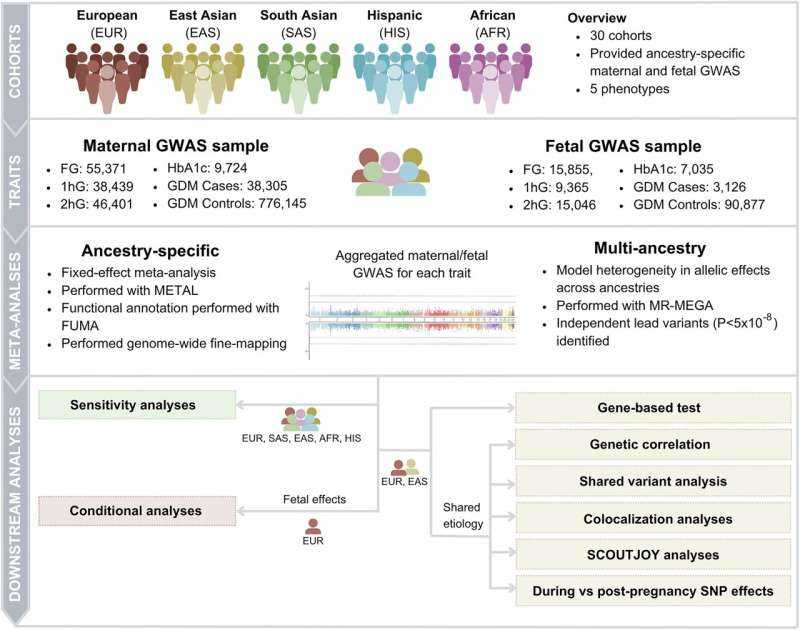
The study, which is the largest of its kind, was conducted by researchers at the University of Queensland in collaboration with the Genetics of Diabetes In Pregnancy (GenDIP) Consortium. The researchers analyzed data from a large cohort of women, including over 38,000 with gestational diabetes and more than 776,000 without the condition. By comparing the genetic profiles of these two groups, the researchers were able to identify significant genetic similarities between gestational diabetes and type 2 diabetes.
The genetic similarities between the two conditions suggest that gestational diabetes may not be a distinct condition, but rather a precursor to type 2 diabetes. This is important because it highlights the need for women who have had gestational diabetes to be monitored closely for the development of type 2 diabetes after pregnancy. The study's findings also have implications for the management of gestational diabetes, suggesting that treatments and interventions that are effective for type 2 diabetes may also be effective for gestational diabetes.
The discovery of the strong genetic links between gestational diabetes and type 2 diabetes is a significant breakthrough in the understanding of these conditions. It highlights the importance of continued research into the genetic and environmental factors that contribute to the development of diabetes. By gaining a better understanding of the underlying causes of gestational diabetes and type 2 diabetes, researchers and clinicians may be able to develop more effective treatments and prevention strategies for these conditions.
The study's findings also underscore the importance of early intervention and prevention strategies for women who are at risk of developing gestational diabetes. By identifying women who are at high risk of developing the condition, healthcare providers may be able to take steps to prevent or delay its onset. This could include lifestyle interventions, such as dietary changes and increased physical activity, as well as close monitoring of blood sugar levels during pregnancy. Overall, the discovery of the strong genetic links between gestational diabetes and type 2 diabetes is an important step forward in the fight against these conditions.