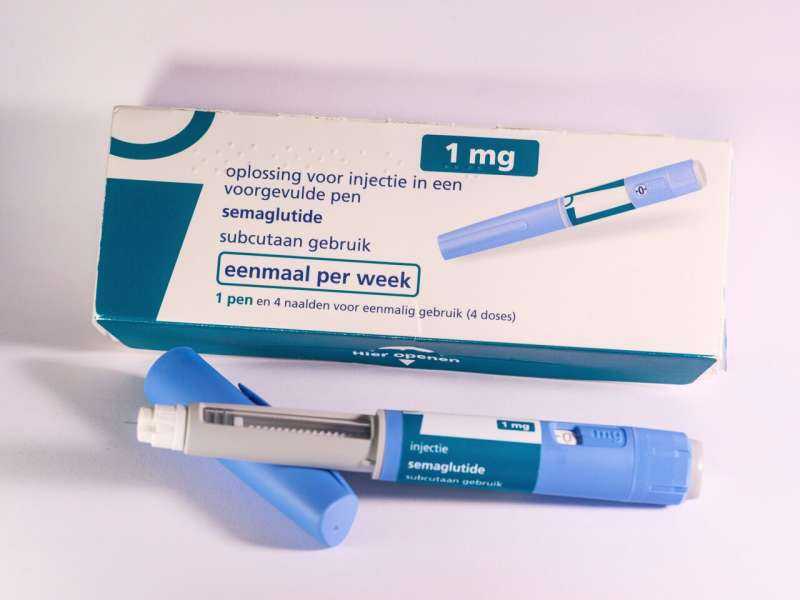
A new study presented at ASCO found that women taking GLP-1 medications had a 30% reduced risk of developing breast cancer compared to non-users.
A recent retrospective analysis involving over 110,000 women aged between 45 and 80 years has revealed an intriguing link between the use of GLP-1 (glucagon-like peptide-1) medications and a lower incidence of breast cancer. The study was presented at the 2026 American Society of Clinical Oncology (ASCO) Annual Meeting by Elizabeth McDonald, MD, PhD, a professor of Radiology at the University of Pennsylvania Perelman School of Medicine and a practicing breast radiologist at Penn's Abramson Cancer Center.
The research analyzed data from a large cohort of women over an extended period to assess the potential protective effects of GLP-1 medications on breast cancer risk. The findings indicated that individuals who used GLP-1 medications were approximately 30% less likely to develop breast cancer compared to those who did not use these medications.
This significant reduction in breast cancer incidence among GLP-1 users suggests a possible therapeutic benefit beyond the well-known effects of these drugs on diabetes management and weight loss. The study highlights the potential for GLP-1 medications to play a role in preventive oncology, offering new avenues for breast cancer prevention strategies.
The results of this extensive analysis are promising and warrant further investigation. Future research may explore the underlying mechanisms responsible for this observed protective effect, potentially leading to new treatment options or preventive measures against breast cancer.