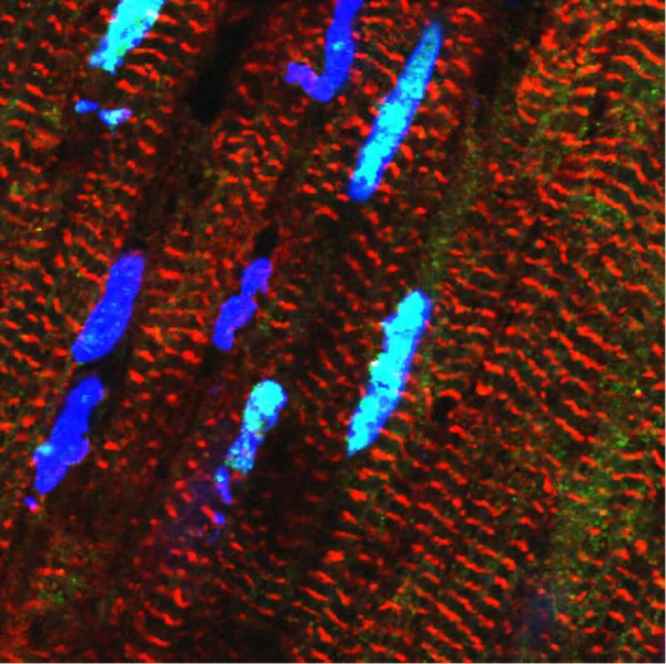
Discover how the protein RBM20 regulates heart cell adaptation through alternative splicing, crucial for maintaining cardiac function.
The human heart's ability to adapt to varying demands hinges on a complex molecular process involving the precise regulation of gene expression. One key player in this intricate dance is the protein RBM20, which acts as a master controller by managing an editing step known as "alternative splicing." This process ensures that cells can produce different forms of messenger RNA from the same gene, allowing for diverse and dynamic cellular responses.
RBM20's role extends beyond mere regulation; it serves as a pivotal switch that modulates how genes are expressed. By controlling alternative splicing, RBM20 influences the production of various proteins essential for the heart’s adaptive functions. This includes adjusting the heart muscle's elasticity, ensuring its ability to contract and relax effectively in response to different physiological needs.
Understanding the mechanisms behind RBM20 could have significant implications for medical research. For instance, disruptions in this protein might lead to cardiac issues such as hypertrophy or arrhythmias. By studying how RBM20 operates, scientists can develop a deeper understanding of heart diseases and potentially identify new therapeutic targets.
In summary, the intricate workings of the human heart rely heavily on the precise control exerted by proteins like RBM20. Through alternative splicing, these proteins ensure that cells respond appropriately to changing conditions, maintaining the heart's vital functions. Further research into such genetic switches could pave the way for innovative treatments and a better understanding of cardiac health.