Researchers from the Icahn School of Medicine at Mount Sinai have discovered a promising new way to improve CAR-T cell therapy for solid tumors such as lung cancer and melanoma by using focused irradiation.
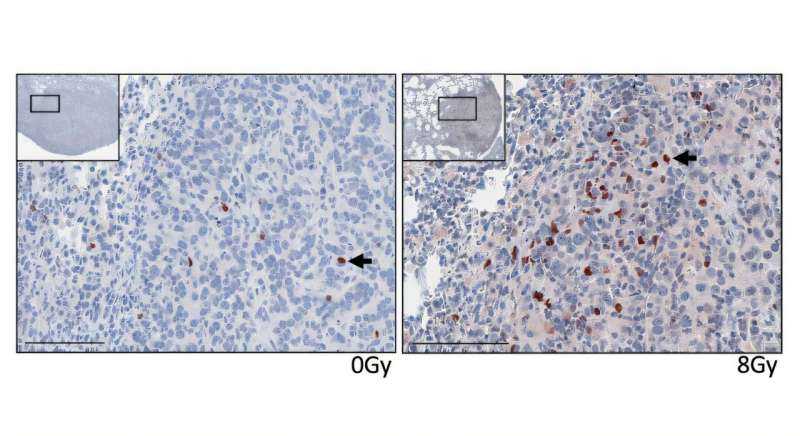
Researchers from the Icahn School of Medicine at Mount Sinai have made a significant breakthrough in enhancing the effectiveness of CAR-T cell therapy against solid tumors. Their study, published in Nature Cancer, reveals that focused irradiation can help CAR-T cells survive longer and function more effectively within tumors. This targeted therapy involves delivering high-energy beams to rapidly growing cancer cells, thereby creating an environment where CAR-T cells can thrive.
The findings suggest a new approach to treating cancers such as lung cancer and melanoma, which have historically been challenging for CAR-T cell therapies due to their solid nature. By combining irradiation with CAR-T cell therapy, the research team aims to overcome some of the limitations faced in these cases. The study highlights how focused irradiation can create a more hospitable environment for CAR-T cells, allowing them to persist longer and deliver better therapeutic outcomes.
This innovative method could potentially revolutionize cancer treatment strategies by providing a more effective way to combat solid tumors. The researchers believe that this combined therapy could lead to improved patient survival rates and quality of life. Further clinical trials are needed to validate these promising results and explore the full potential of this new approach in treating various types of cancers.
In conclusion, the integration of focused irradiation with CAR-T cell therapy offers a promising avenue for enhancing treatment outcomes in patients suffering from solid tumors. This breakthrough could pave the way for more effective cancer therapies in the future.