A study by the University of Barcelona reveals why two main types of lung cancer respond differently to anti-angiogenic therapy, highlighting the role of fibroblasts in tumor microenvironment.
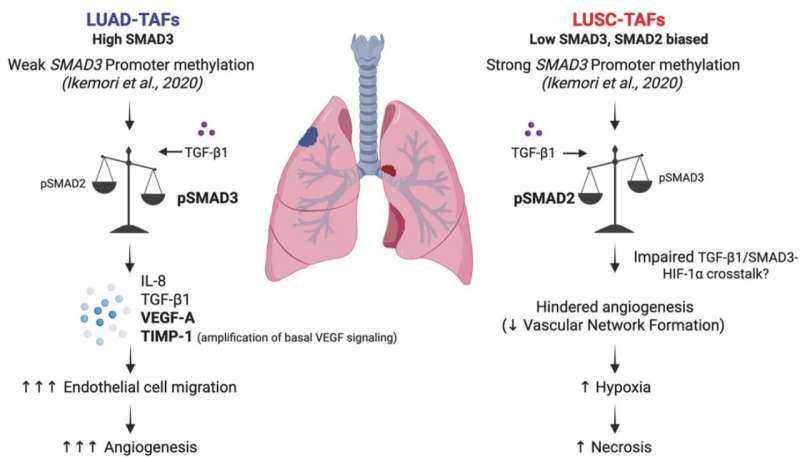
A groundbreaking study conducted by researchers at the University of Barcelona has uncovered key insights into why adenocarcinoma and squamous cell carcinoma, the two primary forms of lung cancer, react differently to anti-angiogenic therapies. This research, published in the journal Cell Death & Disease, suggests that these differences are largely due to the surrounding tumor environment, specifically the presence and behavior of fibroblasts.
The study demonstrates that the microenvironment around tumors plays a crucial role in determining how effective certain treatments can be. Fibroblasts, which are abundant benign cells found within this environment, significantly influence the response to anti-angiogenic drugs by modulating the formation of new blood vessels necessary for tumor growth. This discovery paves the way for more personalized treatment approaches that could better target the unique characteristics of each patient's specific type of lung cancer.
By understanding these underlying mechanisms, medical professionals can develop therapies that are tailored to the individual needs of patients, potentially improving outcomes and reducing side effects associated with current treatments. The findings from this study not only enhance our knowledge about lung cancer but also bring us closer to a more precise and effective treatment strategy for this devastating disease.