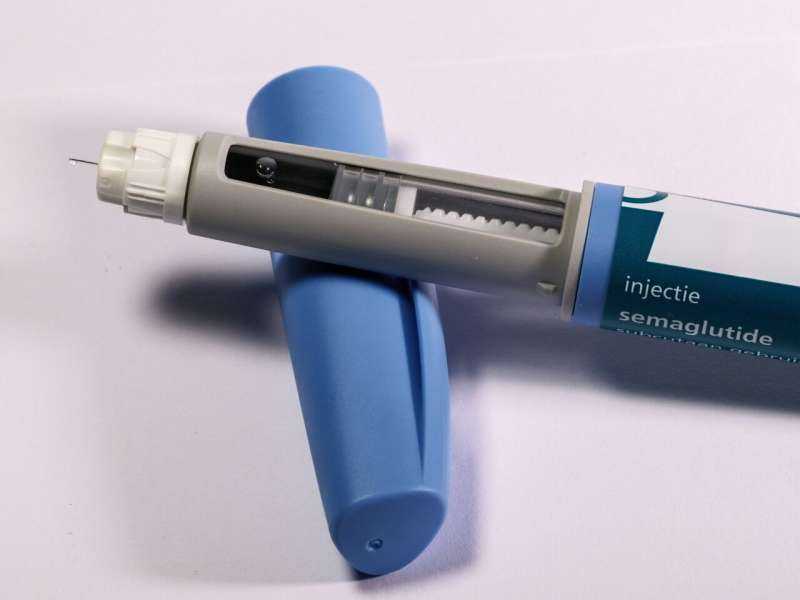
New research suggests that GLP-1 receptor agonists, commonly used to treat obesity and diabetes, might also slow down biological aging processes.
Recent studies have sparked renewed interest in the potential anti-aging benefits of glucagon-like peptide-1 (GLP-1) receptor agonist medications. These drugs are widely prescribed for managing conditions such as obesity, type 2 diabetes, and certain cardiovascular diseases due to their effectiveness in lowering blood sugar levels and promoting weight loss.
While the primary therapeutic effects of GLP-1 receptor agonists have been well-established, some researchers now believe that these medications might also influence the biology of aging. This hypothesis is based on preliminary findings suggesting that GLP-1 may play a role in slowing down cellular senescence and extending lifespan at the molecular level.
The potential anti-aging benefits of GLP-1 receptor agonists arise from their ability to stimulate the release of insulin-like growth factor 1 (IGF-1) and other growth factors. These substances are known to promote cell survival, repair damaged tissues, and enhance overall cellular health—a process that could theoretically contribute to a slower rate of biological aging.
However, it is important to note that while these findings are promising, direct evidence in human subjects remains limited. Most current research has been conducted on animal models or in vitro experiments, which means the results may not translate directly to humans. Nonetheless, the implications for future treatments could be significant if further studies confirm these initial observations.
In conclusion, while more research is needed to fully understand the anti-aging potential of GLP-1 receptor agonists, this emerging field of study offers exciting possibilities for extending healthy lifespan and improving overall quality of life in aging populations.