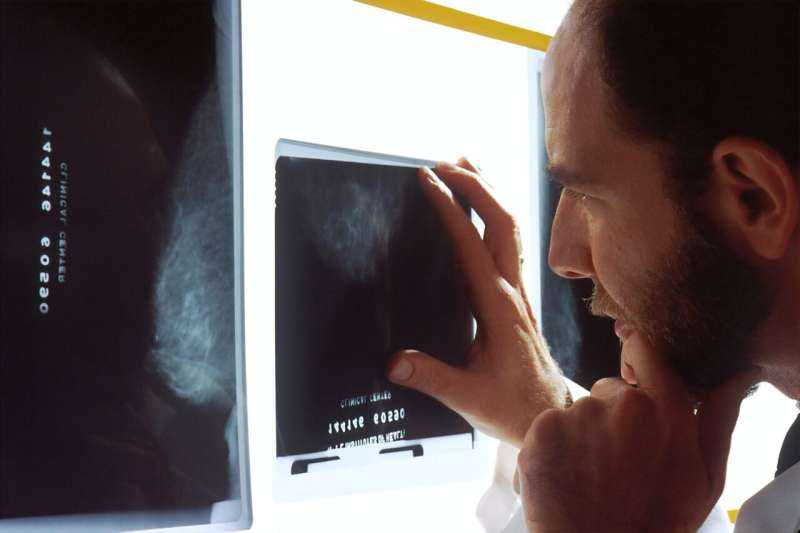
A researcher defends her thesis on early-onset breast cancer in Uganda and Ethiopia, highlighting the challenges of late diagnosis and limited treatment access.
Most breast cancer patients in Uganda and Ethiopia are diagnosed too late, according to Tove Ekdahl Hjelm's recent research. Her doctoral thesis, "Early-onset breast cancer in East Africa: genetics, tumor characteristics and clinical management," underscores significant deficiencies in accessing adequate care for these patients.
Hjelm’s findings reveal that many women in the region are diagnosed at advanced stages of the disease due to delayed detection and limited healthcare resources. This late diagnosis often results in poorer outcomes and reduced survival rates among affected individuals. The researcher emphasizes the urgent need for improved screening programs, early intervention strategies, and better access to treatment facilities.
In addition to addressing the clinical management aspects, Hjelm’s work also delves into the genetic factors that contribute to early-onset breast cancer in East Africa. She identifies specific genetic markers that could potentially help in predicting and preventing the disease among high-risk populations. These insights are crucial for developing targeted prevention and treatment plans.
Hjelm's defense of her thesis on June 5 highlights not only the critical issues but also offers a path forward. By advocating for enhanced healthcare infrastructure, increased public awareness, and collaborative efforts between local and international health organizations, Hjelm believes that more lives can be saved in East Africa. Her research underscores the importance of addressing both the immediate clinical needs and long-term preventive measures to combat breast cancer effectively in this region.