University of Oregon researchers discover brain cells that signal disappointment, potentially leading to innovative treatments for depression and addiction.
University of Oregon scientists have made a groundbreaking discovery by identifying a group of neurons that function as a "disappointment meter" in the brain. These cells are finely tuned to detect when reality falls short of expectations, providing new insights into mental health conditions such as depression and addiction.
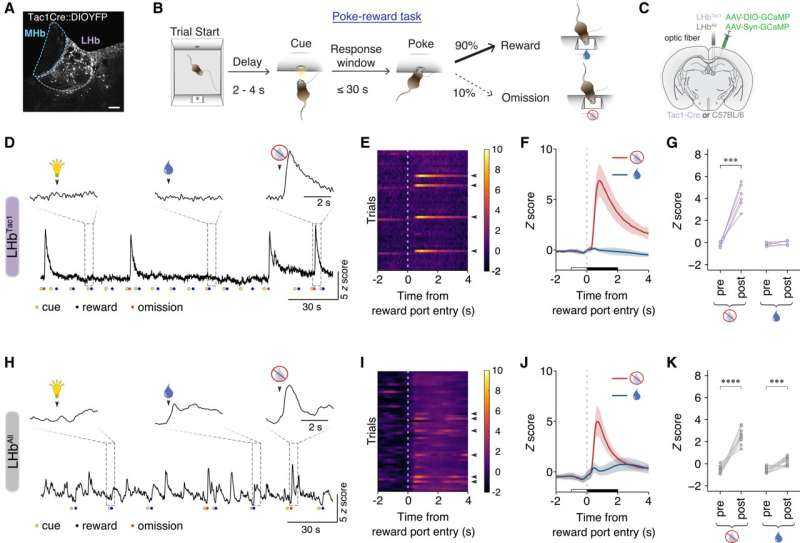
The study, conducted at the University of Oregon, focused on understanding how these specific neurons operate within the brain's reward system. By monitoring neural activity, researchers found that these cells become active in response to perceived disappointments or unmet expectations. This discovery could have significant implications for developing new therapies aimed at addressing mental health issues.
The identification of disappointment meter cells opens up possibilities for targeted interventions. For instance, therapies could be designed to modulate the activity of these neurons, potentially alleviating symptoms associated with depression and addiction. By better understanding how these cells operate, scientists can develop more precise treatments that address the root causes of these conditions rather than just managing their symptoms.
This research not only enhances our knowledge of brain function but also brings us closer to personalized medicine approaches for treating mental health disorders. As further studies are conducted, it is hoped that this discovery will lead to more effective and tailored treatment options for individuals suffering from depression and addiction.