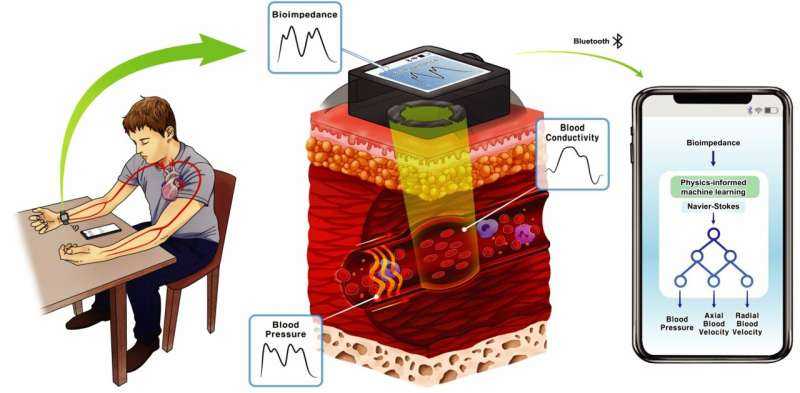
The importance of monitoring blood pressure cannot be overstated, as it is a crucial indicator of cardiovascular health. However, traditional methods of measuring blood pressure have several limitations. They typically involve using inflatable cuffs, which can be bulky and uncomfortable, and are often only used in clinical settings. This means that blood pressure readings are usually only taken at sporadic intervals, which may not provide a comprehensive picture of an individual's cardiovascular health.
One of the major drawbacks of traditional blood pressure monitors is that they require the user to remain still while the reading is being taken. This can be inconvenient, especially for individuals who lead active lifestyles or have jobs that require them to be on the move. Furthermore, the cuffs used in traditional blood pressure monitors can be uncomfortable and may even cause anxiety in some individuals, which can affect the accuracy of the readings.
A new wearable device has been developed that can continuously monitor blood pressure without the need for inflatable cuffs. This innovative device has the potential to revolutionize the way blood pressure is measured, providing a more accurate and comprehensive picture of cardiovascular health. By allowing individuals to monitor their blood pressure in real-time, this device can enable timely interventions and improve overall health outcomes.
The development of this wearable device is a significant breakthrough in the field of cardiovascular health. It has the potential to improve the management of hypertension and other cardiovascular conditions, and could even help to prevent cardiovascular events such as heart attacks and strokes. As research and development in this area continue to advance, it is likely that we will see even more innovative solutions for monitoring blood pressure and improving cardiovascular health. With the ability to continuously monitor blood pressure without the need for cumbersome cuffs, individuals can take a more proactive approach to managing their cardiovascular health, which could have a significant impact on their overall wellbeing.