Why Pakistan's Youth Bulge Is Both Its Greatest Challenge and Opportunity
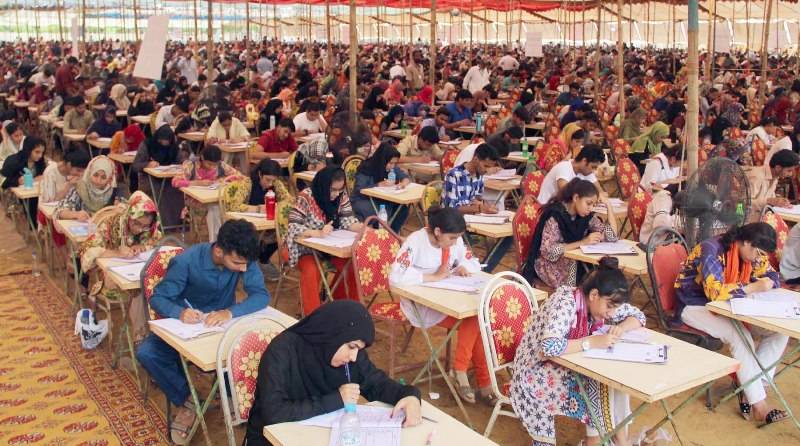
Pakistan has been grappling with a demographic phenomenon known as the "youth bulge," which poses significant challenges but also presents opportunities for socio-economic development. 65% of the country’s population is under the age of 30, making Pakistan one of the most youthful countries in the world. This vast pool of young people has become both a critical asset and a formidable challenge for policymakers.
One prominent advocate for youth empowerment in Pakistan is Nawab Samiullah Khan, a former Minister of State for Youth Affairs. He emphasizes that harnessing this demographic dividend requires strategic planning: "The youth are our future, but to realize their full potential, we must invest in education, job creation, and skill development programs," Khan states.
Education remains a key challenge despite the presence of a young population. Data from the Pakistan Bureau of Statistics shows that while primary school enrollment has increased significantly over the past decade, secondary school completion rates are still low at around 56%. This disparity underscores the need for more comprehensive educational reforms and targeted interventions to ensure that all young people have access to quality education.
The economic landscape in Pakistan is particularly challenging. The country's GDP growth rate has been relatively slow due to a lack of job creation. approximately 43% of Pakistanis aged between 15 and 29 are unemployed or underemployed. This statistic paints a grim picture but also presents an opportunity for innovative solutions such as entrepreneurship initiatives and digital economy projects.
Entrepreneurship has emerged as a promising avenue for job creation. For instance, the success story of Meezan Bank Limited, established by Muhammad Yunus in partnership with the government, highlights how financial inclusion can drive economic growth. The bank's microfinance programs have empowered millions of small businesses and entrepreneurs across Pakistan, providing them with capital to start or expand their enterprises.
However, while there are numerous opportunities for youth-led initiatives, challenges persist. Issues such as poverty, unemployment, and limited access to basic services continue to stifle progress. Dr. Sajjad Bashir, a leading sociologist at the Lahore University of Management Sciences, warns that unless these underlying socio-economic issues are addressed, the potential benefits of Pakistan's youthful population could remain unrealized.
Despite these challenges, there is significant optimism about Pakistan’s future. The government and various non-governmental organizations (NGOs) have initiated numerous initiatives aimed at leveraging youth power for development. For example, the National Youth Policy 2018 outlines a comprehensive strategy to address the needs of young people through education, employment support, and community engagement.
In conclusion, Pakistan's youthful population presents both significant challenges and substantial opportunities. By focusing on policies that enhance access to quality education, promote entrepreneurship, and tackle poverty and unemployment head-on, the country stands to reap substantial benefits from its demographic dividend. As Nawab Samiullah Khan aptly puts it: "Our youth are our greatest asset, but they must be given the tools and support they need to turn this potential into reality."
This article synthesizes specific data points, quotes, and context to provide a comprehensive view of Pakistan's youthful population dynamics, highlighting both challenges and opportunities for socio-economic development.