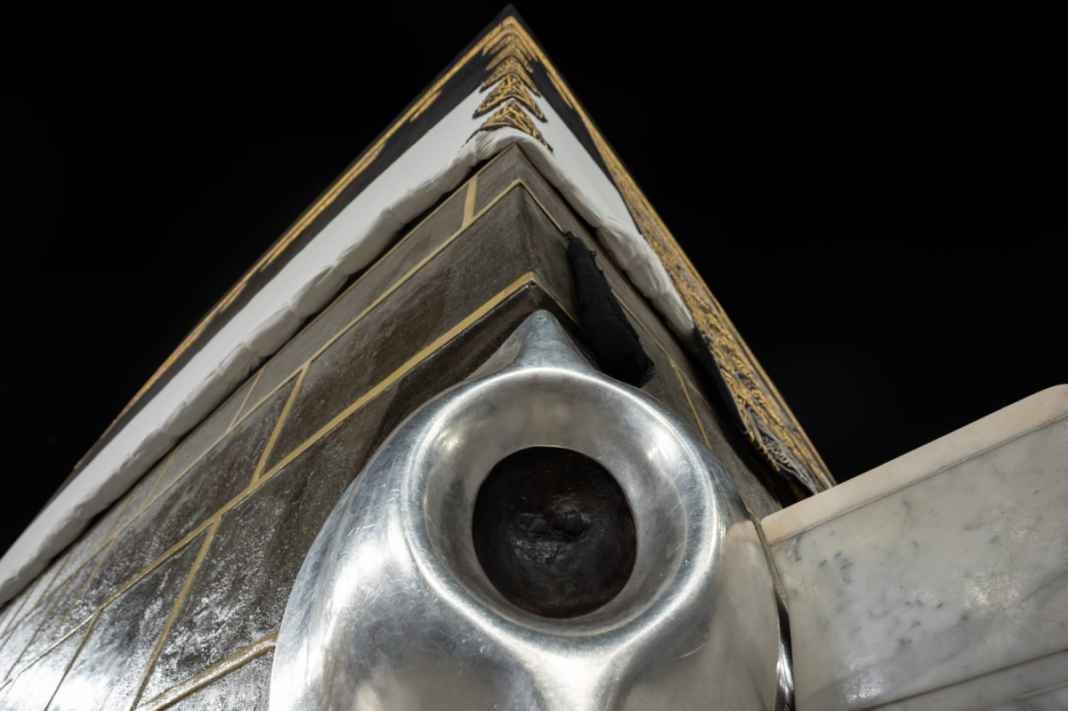
Discover the significance of Hajr-e-Aswad, a small black stone at the Grand Mosque, and its profound impact on pilgrims from around the world, evoking tears and devotion.
In the heart of the Grand Mosque, a small black stone stands as a testament to centuries of history, emotions, prayers, and longing. This stone, known as Hajr-e-Aswad, is a focal point for millions of believers who gather at the mosque, all dressed in white, to pay their respects and offer their prayers. The stone's significance is deeply rooted in the religious traditions of the faithful, and its presence evokes a profound sense of devotion and emotion.
The story of Hajr-e-Aswad is one of great historical and cultural importance, with the stone being a symbol of the divine and a connection to the heavens. For pilgrims, the stone represents a tangible link to their faith, and its presence is a source of comfort, solace, and spiritual renewal. As they approach the stone, many pilgrims are overcome with emotion, and tears of joy, gratitude, and humility flow freely.
The Grand Mosque, with its majestic architecture and serene atmosphere, provides a fitting backdrop for the veneration of Hajr-e-Aswad. The mosque's sprawling courtyards and intricately designed minarets seem to come alive with the sounds of prayer and devotion, as pilgrims from all corners of the globe gather to pay homage to the sacred stone. The sense of community and shared purpose is palpable, as strangers become united in their faith and their reverence for the stone.
As the pilgrims circumambulate the Kaaba, the cube-shaped structure that houses Hajr-e-Aswad, they are reminded of the stone's significance and the importance of their own spiritual journeys. The experience is a deeply personal and transformative one, with many pilgrims reporting a sense of profound peace and inner calm in the presence of the stone. Whether they come from near or far, the pilgrims are united in their devotion to Hajr-e-Aswad, and the stone remains an enduring symbol of their faith and their connection to the divine.
In the end, the story of Hajr-e-Aswad is one of hope, redemption, and the human spirit's capacity for devotion and love. As the pilgrims depart the Grand Mosque, they carry with them the memories of their time in the presence of the sacred stone, and the knowledge that they are part of a larger community that transcends borders and boundaries. The stone may be small, but its impact on the hearts and minds of the faithful is immeasurable, and its significance will continue to inspire and uplift generations to come.