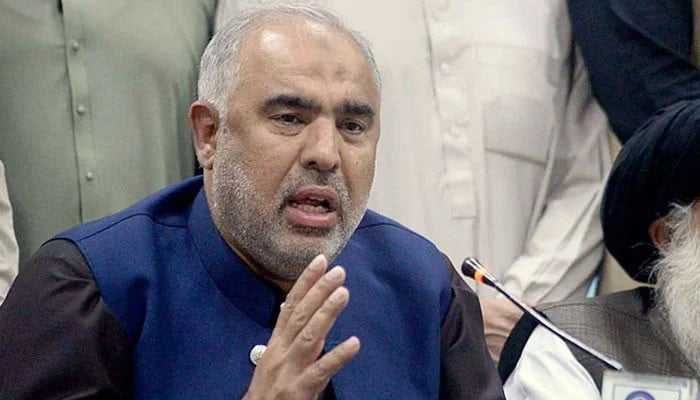
Governor Faisal Karim Kundi inaugurated a new NADRA service center in Dera Khyber Pakhtunkhwa and announced significant development initiatives to enhance public services and infrastructure.
Governor Faisal Karim Kundi recently inaugurated a new National Database and Registration Authority (NADRA) Service Centre on Multan Road in Dera Khyber Pakhtunkhwa, marking a crucial step towards modernizing the district’s administrative processes. The inauguration ceremony was held with great fanfare, highlighting the government's commitment to improving public services.
During his address, Governor Kundi emphasized the importance of NADRA’s role in providing efficient and accessible identity management solutions. He expressed hope that the new service center would facilitate smoother transactions for citizens, reducing bureaucratic hurdles and enhancing overall governance. The governor also announced a series of major development initiatives aimed at revitalizing public services and infrastructure within the district.
These initiatives include upgrading local schools and health facilities, improving road networks, and implementing digital literacy programs to empower the community. According to Kundi, these measures are part of an ongoing effort to address the developmental needs of Dera Khyber Pakhtunkhwa and ensure a better quality of life for its residents.
The governor's visit underscored his dedication to addressing the multifaceted challenges faced by the district. By inaugurating the NADRA center and unveiling these development plans, he aims to create a more inclusive environment where citizens can access essential services with ease. The new service center is expected to streamline identity-related processes, making it easier for people to obtain vital documents such as national identity cards.
In conclusion, Governor Kundi's visit and announcements reflect his commitment to improving the lives of Dera Khyber Pakhtunkhwa’s residents through enhanced public services and infrastructure development. The new NADRA center is poised to play a pivotal role in this endeavor, ensuring that citizens can access critical services more efficiently.