A global report highlights a worsening trend in worker rights, revealing that even stable nations like France and the U.S. are experiencing erosion of labor protections.
A recent report has shed light on a concerning global trend where workers’ rights are being systematically violated across various countries. The findings indicate that repression of labor protections is not confined to developing or unstable regions but extends to “stable” nations such as France and the United States. This revelation underscores a significant shift in how worker rights are perceived and enforced worldwide.
In France, for instance, there have been reports of increased restrictions on union activities and collective bargaining. Similarly, in the U.S., despite its robust labor laws, recent changes in legislation and corporate practices have led to a decline in workers’ ability to organize effectively. These developments highlight that even nations with established democratic frameworks are not immune to the erosion of fundamental worker rights.
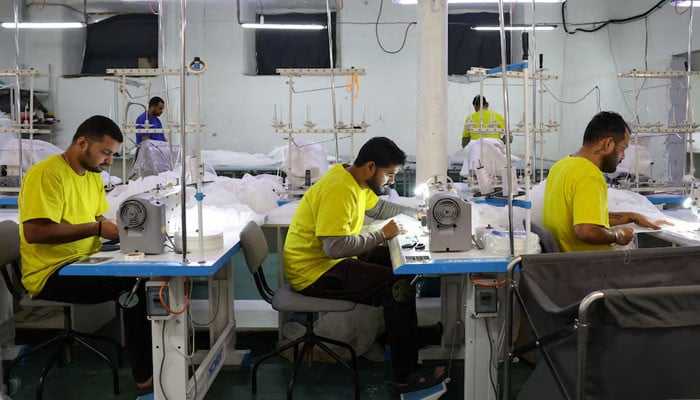
The report also points out specific areas where protections are being compromised. For example, in garment factories globally, workers continue to face harsh conditions and inadequate wages despite international standards. This issue is particularly acute in countries like Bangladesh and Cambodia, where labor laws are often ignored or poorly enforced. However, the report notes that even in developed nations, similar issues persist, albeit on a smaller scale.
Experts attribute these trends to several factors, including globalization, corporate lobbying, and political shifts towards deregulation. The report calls for urgent action from governments and international bodies to address these systemic violations and restore worker rights globally. It emphasizes the need for robust enforcement mechanisms and stronger international cooperation to ensure that labor standards are upheld across borders.
This comprehensive analysis paints a stark picture of the current state of workers’ rights, underscoring the critical importance of vigilance and proactive measures to protect this fundamental human right in an increasingly complex global landscape.