Researchers identify potential non-invasive test for sleep deprivation using saliva samples, offering new insights into assessing alertness and safety risks.
Sleep loss is a significant public health issue, with severe consequences ranging from impaired cognitive function to increased risk of accidents. One common scenario where this becomes particularly dangerous is when people drive after being awake for extended periods. However, there's currently no clinical test available to determine if someone is dangerously sleep deprived. A breakthrough study published in the Journal of Proteome Research brings us closer to a solution.
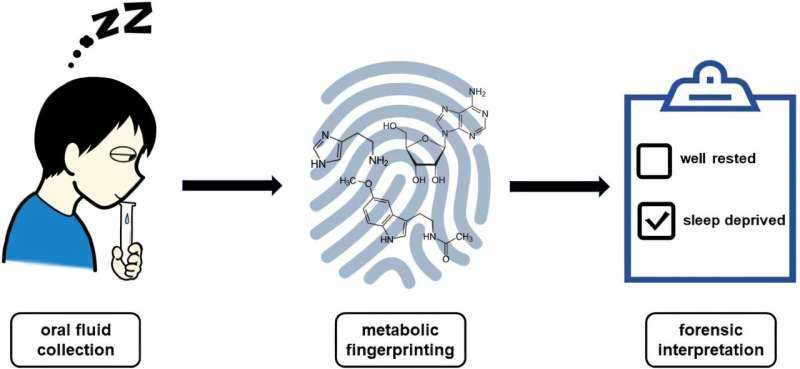
In their research, scientists analyzed saliva samples from 20 men who had either had a full night's rest or stayed awake for 24 hours without sleep. The findings revealed distinct molecular differences between these two groups, suggesting that saliva could be used as a non-invasive biomarker for assessing levels of sleep deprivation.
This discovery opens up new possibilities for developing tests that can quickly and easily determine if someone is too tired to perform critical tasks safely. Such tests could have wide-ranging applications, from workplace safety measures to improving road safety by screening drivers before they get behind the wheel.
The ability to identify signs of sleep deprivation through a simple saliva test would not only enhance public safety but also provide valuable information for individuals trying to manage their sleep health. As research in this field continues to advance, we may soon see practical applications that could revolutionize how we approach sleep and alertness testing.