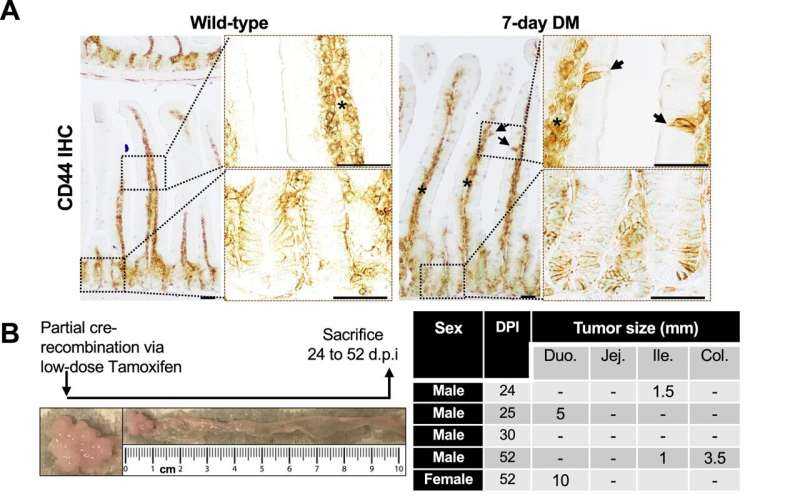
Colorectal cancer has been found to have a complex backup plan, allowing it to evolve and adapt in the face of treatment. This process begins when mature gut cells undergo a transformation, regaining traits similar to those of stem cells. A recent study has shed light on this phenomenon, providing valuable insights into the development of colorectal cancers.
The study, conducted by researchers at Stevens, has shown that mature intestinal cells can revert to a stem-like state, giving rise to colorectal cancers. This discovery helps to explain why colorectal cancers are often so resistant to treatment, as these stem-like cells are able to evade and survive conventional therapies. By understanding the mechanisms underlying this transformation, researchers hope to develop more effective treatments for intestinal tumors.
The findings of this study have significant implications for the development of therapies for colorectal cancer. By targeting the stem-like cells that give rise to these tumors, researchers may be able to create more effective treatments that can overcome the resistance that often develops in response to conventional therapies. This could lead to improved outcomes for patients with colorectal cancer, and may also shed light on the development of other types of cancer.
The discovery that mature gut cells can revert to a stem-like state also highlights the complex and dynamic nature of cellular development in the gut. The gut is a highly regenerative organ, with cells constantly being replaced and renewed throughout life. This process is normally tightly regulated, but in the case of colorectal cancer, it appears that this regulation can go awry, allowing mature cells to regain stem-like traits and give rise to tumors. Further research is needed to fully understand the mechanisms underlying this process, and to develop effective therapies that can target these stem-like cells.